Trump-Xi Trade Truce Shakes Global Markets
President Trump and China’s Xi Jinping agree to a yearlong trade truce, halting tariff escalations and easing rare earth export controls.
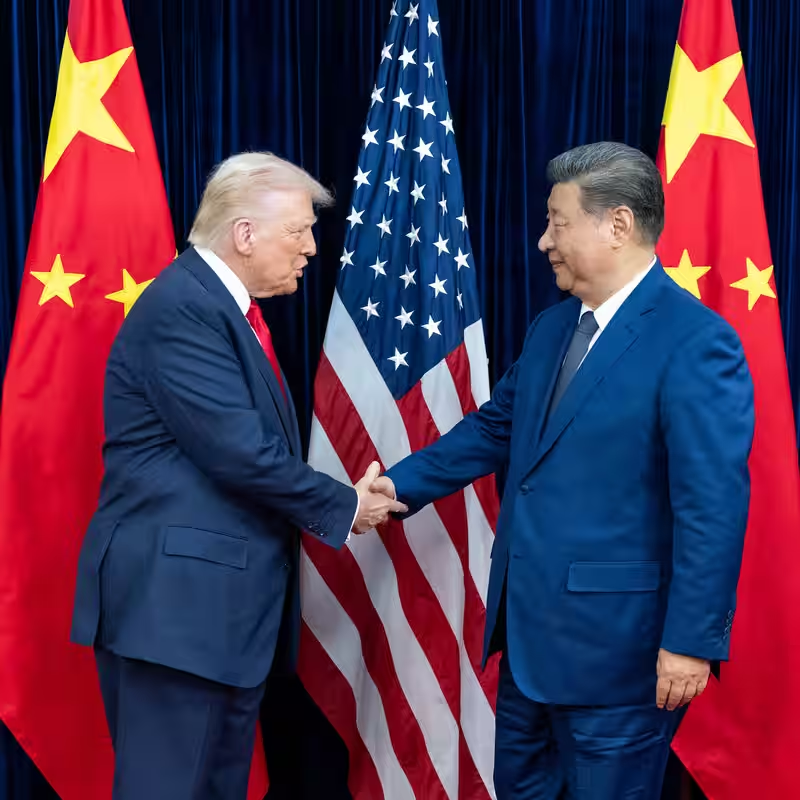
President Trump and China’s Xi Jinping agree to a yearlong trade truce, halting tariff escalations and easing rare earth export controls.
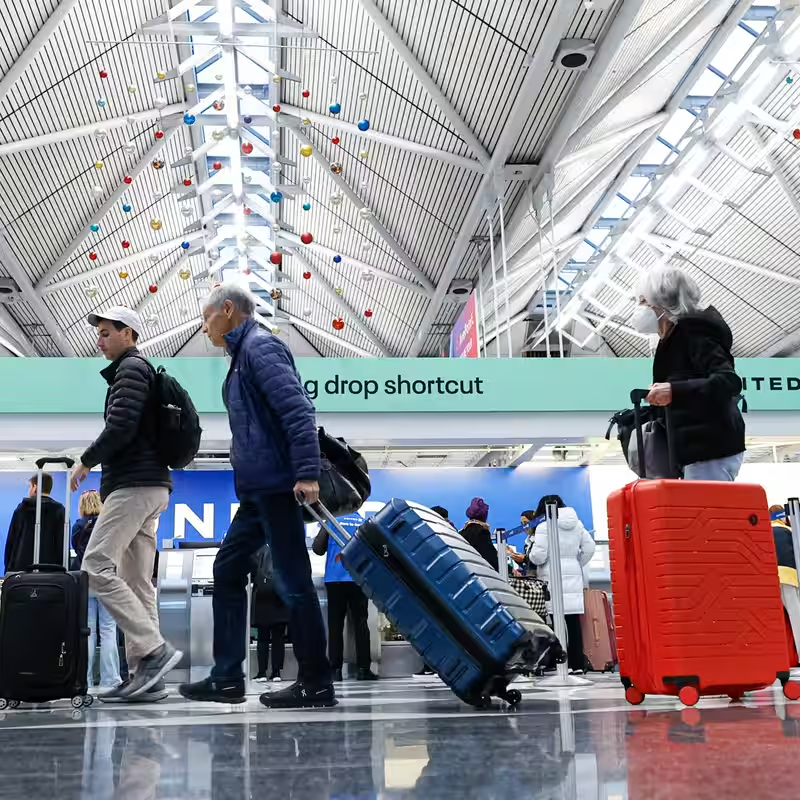
As economic uncertainty and rising costs reshape travel, consumers are reevaluating the value of airline and hotel loyalty programs. Are they still a smart way to save?
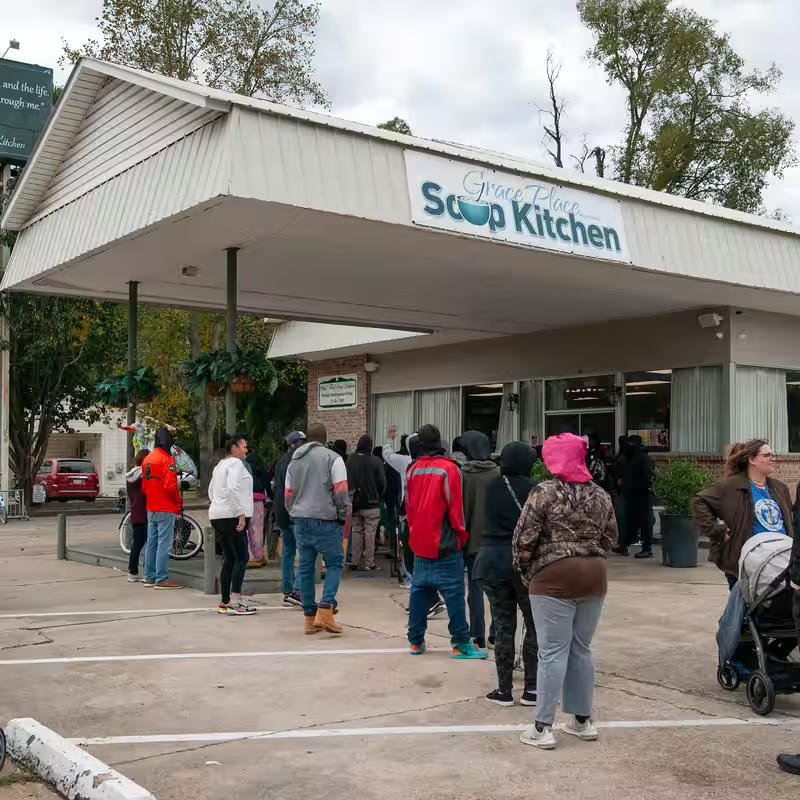
As federal SNAP benefits expire, Louisiana pledges $147 million to temporarily cover food aid for children, seniors, and disabled residents—but many remain anxious about gaps and long-term support.

With emergency SNAP funding expired, millions of Americans are struggling to afford groceries. The New York Times seeks personal stories from those affected or helping their communities.
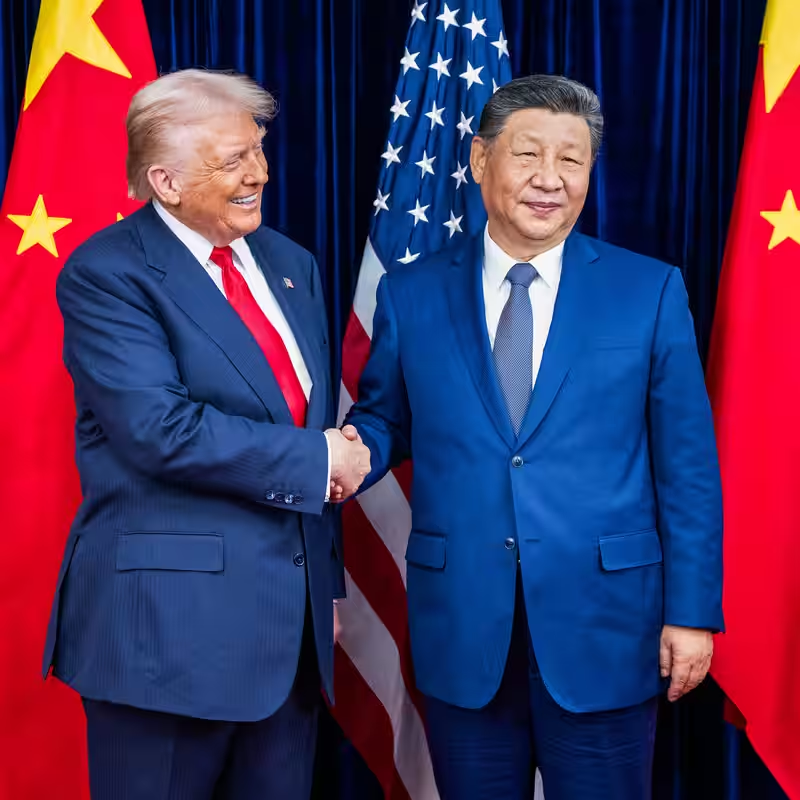
Chinese President Xi Jinping secured major concessions from Donald Trump in recent trade negotiations, agreeing only to return to the pre-existing trade status quo.

As Hurricane Melissa devastates Jamaica, the island activates its $820 million disaster finance strategy—a rare model of climate resilience in the Caribbean.
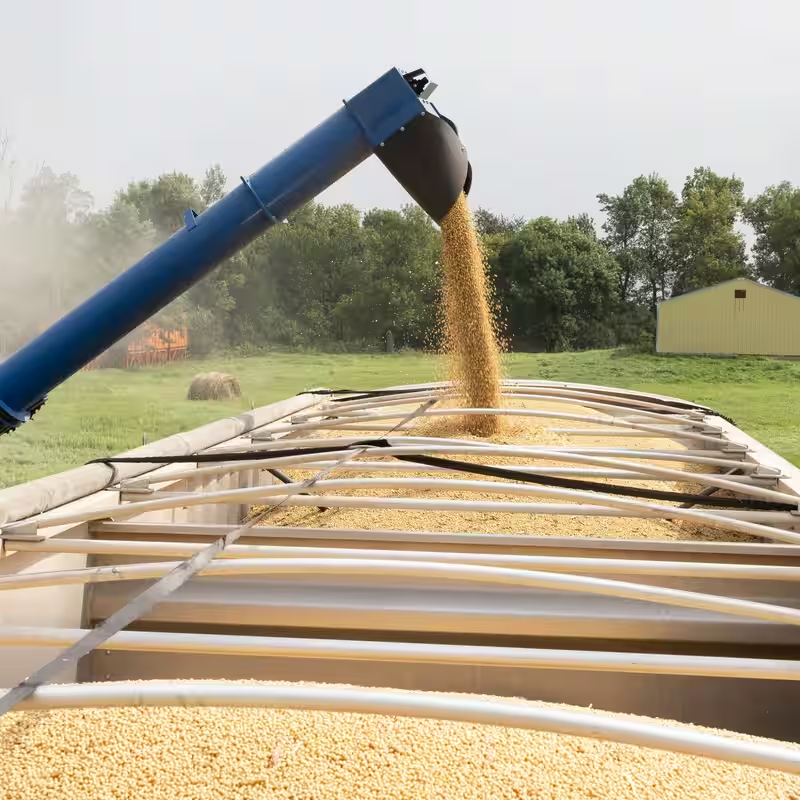
American soybean farmers are seeing renewed hope after the U.S. and China struck a trade truce, with Beijing pledging to purchase 87 million metric tons of soybeans over the next four years.
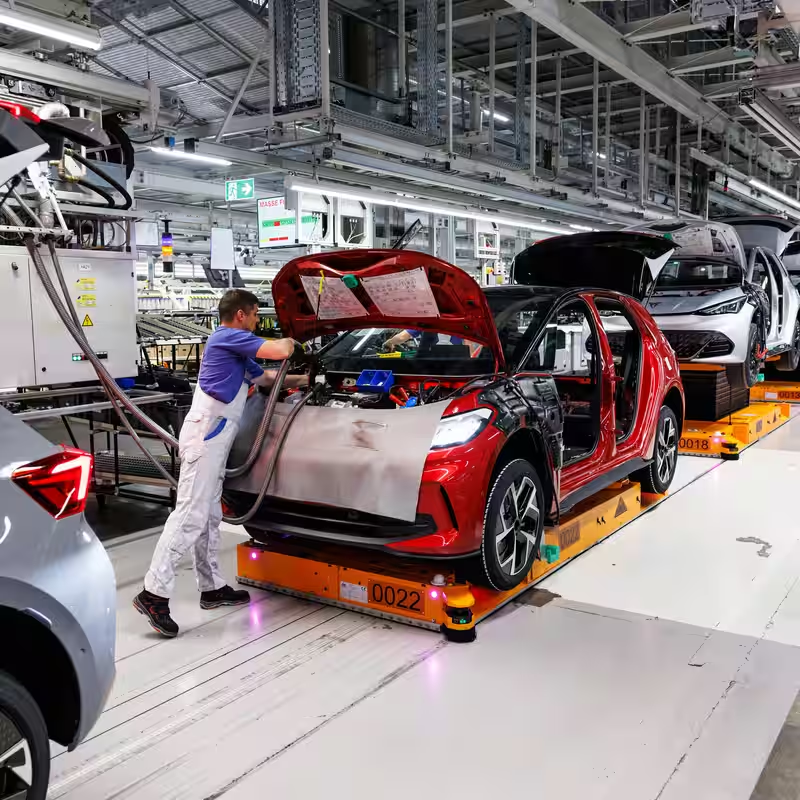
Europe’s largest automaker, Volkswagen, has reported a $1.5 billion operating loss for Q3 2025, citing a damaging combination of new international tariffs and a sudden, severe shortage of semiconductor chips that has already forced a production halt at its main factory.
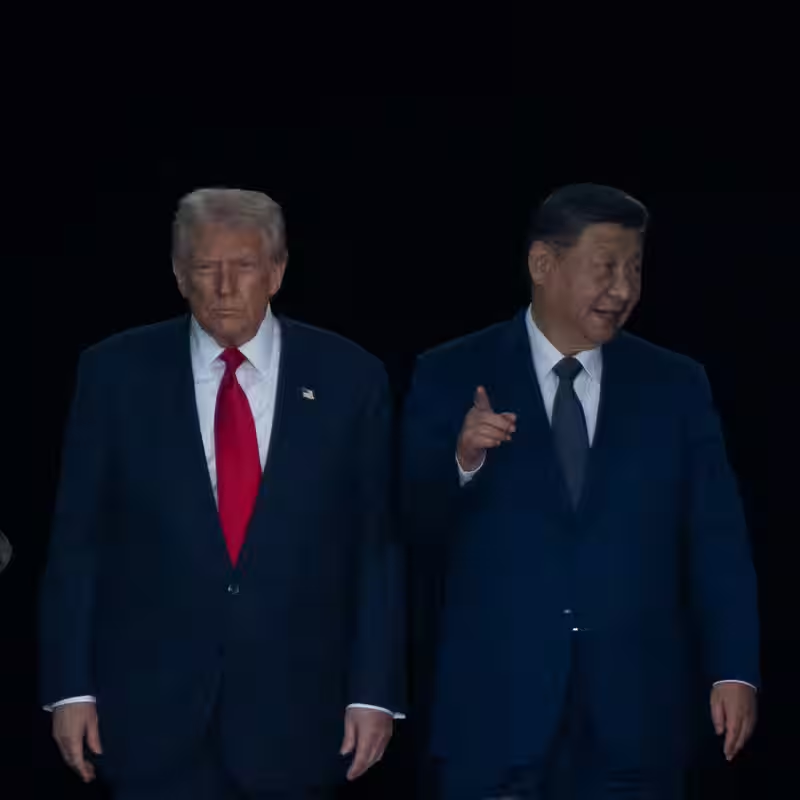
China secured U.S. tariff reductions and delayed tech export controls by leveraging soybean purchases and rare earth dominance—conceding little in return.

A month-long government shutdown has halted the flow of critical economic data, leaving policymakers and markets in the dark during a period of high uncertainty.