Manchester Arena Attack: One of Britain’s Deadliest Terrorist Acts
On May 22, 2017, a suicide bomber detonated an explosive device in the foyer of Manchester Arena at the end of an Ariana Grande concert—killing 22 people, including children as young as 8, and injuring over 1,000 others. The attack, carried out by Salman Abedi, a British-born extremist linked to ISIS, remains one of the deadliest acts of terrorism on UK soil .

A City Forever Changed
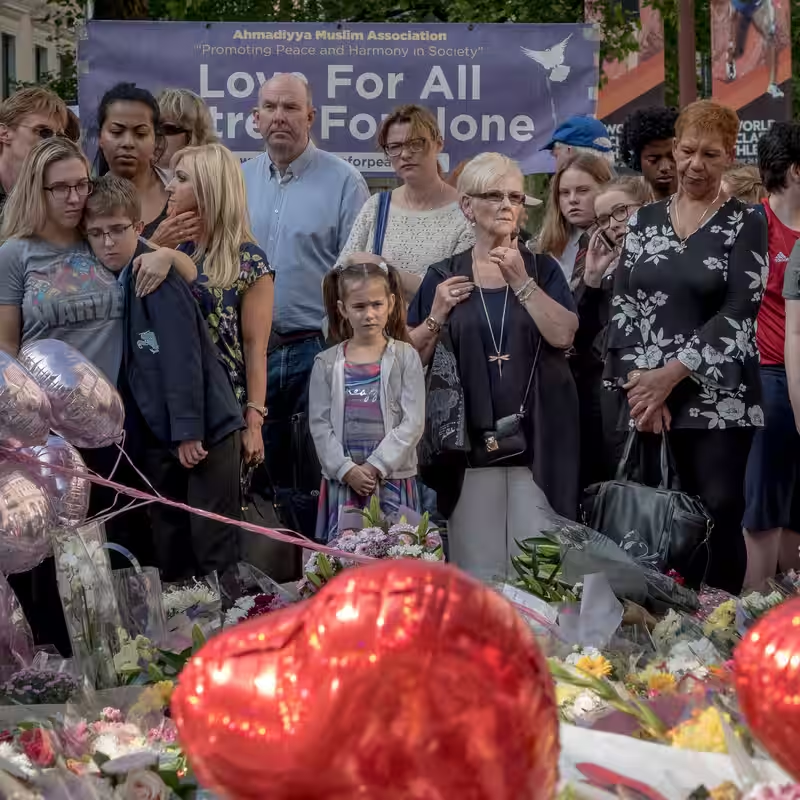
The bombing targeted families and young fans leaving a pop concert—a symbol of joy turned into a scene of chaos and grief. In the aftermath, Manchester rallied with the now-iconic slogan “We Love Manchester”, raising millions for victims and holding a citywide memorial concert featuring global stars.
Yet the trauma lingers. Survivors continue to grapple with physical and psychological wounds, and the city’s approach to public safety—especially around large venues and places of worship—has been permanently reshaped.
Manchester Arena Attack: Key Facts
| Detail | Information |
|---|---|
| Date | May 22, 2017 |
| Location | Manchester Arena foyer, after Ariana Grande concert |
| Perpetrator | Salman Abedi (22), British citizen of Libyan descent |
| Fatalities | 22 (including 8 children under 18) |
| Injured | Over 1,000 |
| Terror Group Link | ISIS-inspired; coordinated with brother Hashem Abedi |
Legacy and Lessons
- Security overhaul: UK introduced “Martyn’s Law” (Protect Duty) requiring public venues to plan for terrorist threats.
- Community resilience: Manchester’s diverse communities—Jewish, Muslim, Christian, and others—united in mourning and solidarity.
- Ongoing vigilance: The 2025 synagogue stabbing near a Jewish site has reignited fears, showing how past trauma shapes present responses .
- Global impact: The attack spurred international cooperation on counterterrorism and online radicalization.
“That night didn’t just take lives—it changed how we see safety in public spaces,” said survivor Emma Taylor in a 2024 documentary. “But it also showed Manchester’s heart: broken, yet unbreakable.”
As the city confronts new security challenges, the memory of the 2017 bombing remains a somber touchstone for unity, resilience, and the cost of hate.
For more on terrorism and urban security, explore our [INTERNAL_LINK:World News] coverage.