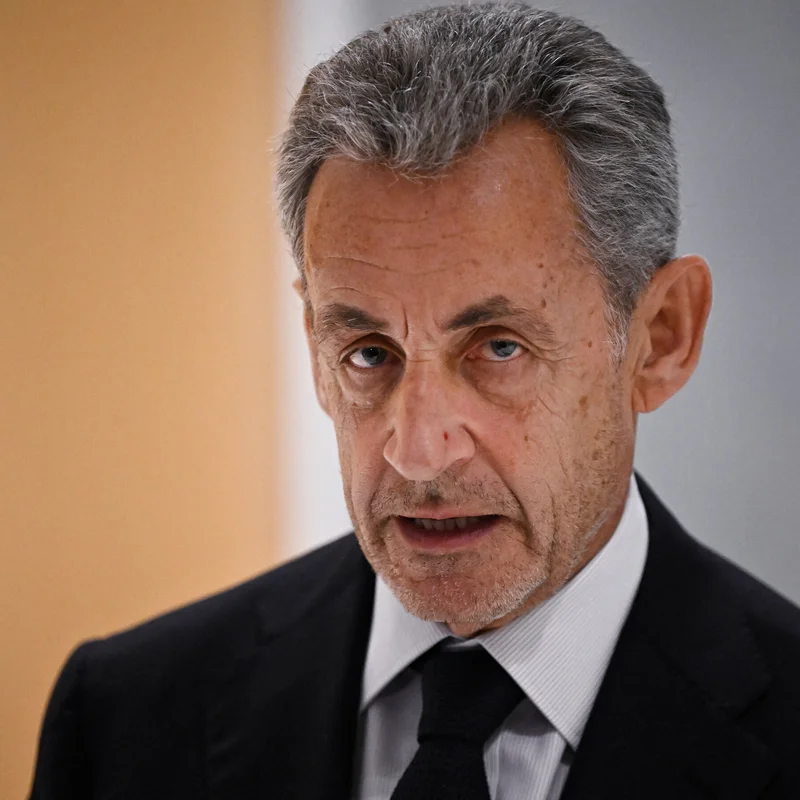
In a defiant six-minute national address Saturday night, Israeli Prime Minister Benjamin Netanyahu declared that a deal to free the remaining hostages in Gaza is “within reach”—a claim met with both cautious hope and deep skepticism across a war-weary nation.
“I Thought Differently—and I Acted Differently”
Speaking directly to the camera from his office, Netanyahu framed his wartime leadership as a triumph of resolve over doubt. “Throughout the entire war, there were those who claimed ceaselessly that we would not be able to get back all the hostages without completely withdrawing from the Gaza Strip,” he said. “I thought differently, and I acted differently.”
He credited relentless military pressure—and close coordination with the Trump administration—for forcing Hamas to the negotiating table. “It’s only now that Hamas has become willing to release the hostages,” he insisted, dismissing claims that the group was open to deals earlier in the conflict as “a lie.”
The Human Cost Behind the Headlines
Netanyahu’s speech comes amid growing grief and anger among Israeli families. At least 41 hostages have died in captivity, including seven executed by Hamas as Israeli troops approached—and four killed by Israeli airstrikes, according to military investigations .
Relatives of the remaining captives have repeatedly warned that renewed offensives in Gaza City could jeopardize their loved ones’ lives. Yet Netanyahu doubled down, vowing that “Hamas will be disarmed and Gaza will be demilitarized—either diplomatically, through Trump’s plan, or militarily by us.”
Public Reaction: Hope Tempered by Distrust
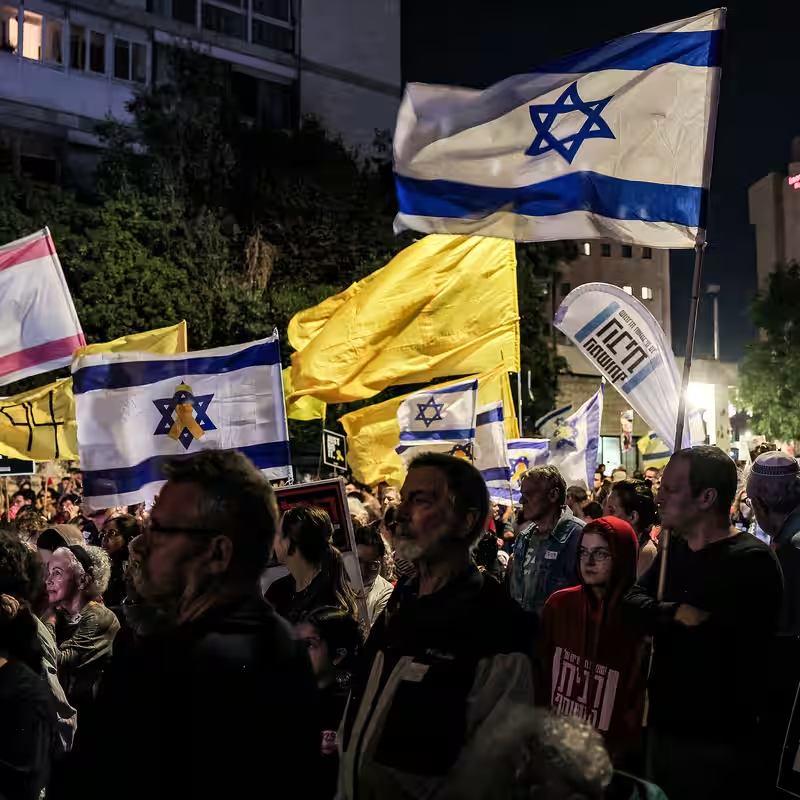
While some praised Netanyahu for holding firm, others saw the speech as political theater. Weekly protests demanding a ceasefire and hostage deal have drawn tens of thousands in Tel Aviv and Jerusalem. Polls show a majority of Israelis no longer believe the government can fully eliminate Hamas—a key justification for the war’s continuation.
“He’s talking about victory, but my son is still in a tunnel,” said one mother at a vigil outside the Defense Ministry. “We need action, not speeches.”
What’s Next?
Netanyahu said he hopes to limit negotiations with Hamas “to a few days.” If talks stall, his threat of renewed military action looms large—potentially reigniting one of the deadliest urban battles of the 21st century.
For now, families wait. And the world watches.