Table of Contents
- Hidden Dangers: How Pollution Affects Pets
- Wildfire Smoke and Your Furry Friends
- Indoor Hazards: Lead Paint, Dust, and More
- 7 Practical Ways to Protect Your Pet from Pollution
- When to Call the Vet
- Sources
Pet Pollution Risks Are Real—and Often Overlooked
While we’ve all heard about the dangers of air pollution, wildfire smoke, and toxic household materials for humans, many pet owners don’t realize these same hazards can seriously harm their dogs, cats, birds, and even reptiles. Pet pollution isn’t just a buzzword—it’s a growing concern among veterinarians and environmental health experts.
“Pets are like canaries in the coal mine,” says Dr. Michala de Linde Henriksen, a veterinary ophthalmologist at North Carolina State University. “Because they’re closer to the ground, groom themselves constantly, and often spend more time indoors or in localized outdoor spaces, they’re exposed to concentrated doses of pollutants we might not even notice.”

Wildfire Smoke: A Silent Threat to Pets
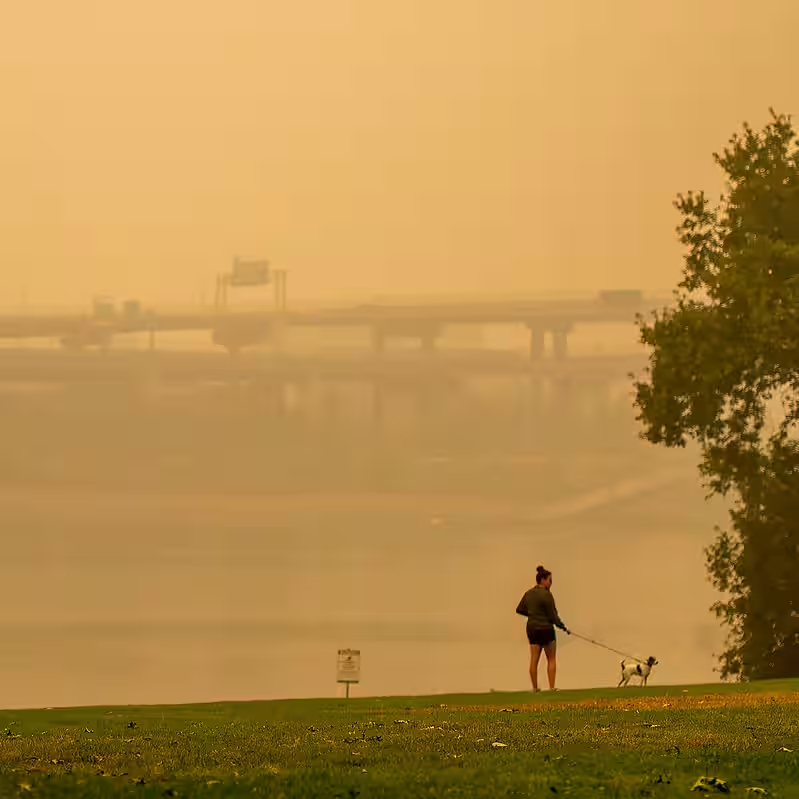
During wildfire season, that orange-tinted sky isn’t just eerie—it’s dangerous. Wildfire smoke contains fine particulate matter (PM2.5), carbon monoxide, and volatile organic compounds that can inflame your pet’s lungs, eyes, and nasal passages.
Dogs and cats with pre-existing conditions like asthma or heart disease are especially vulnerable. But even healthy animals can suffer if exposed for too long.
“If your eyes burn or your throat itches, your pet is likely feeling it too—maybe even more intensely,” Dr. de Linde Henriksen explains.
Don’t Forget Indoor Pollution
Outdoor air isn’t the only concern. Inside your home, older lead-based paint, chemical cleaners, flame retardants in furniture, and even contaminated house dust can pose serious risks—especially to curious puppies or cats who lick their paws after walking on treated floors.
Birds are particularly sensitive to airborne toxins. Teflon-coated cookware, scented candles, and aerosol sprays can be fatal to them within minutes.
7 Practical Ways to Protect Your Pet from Pollution
- Limit outdoor time during poor air quality days. Check local AQI (Air Quality Index) apps—when it’s “unhealthy” (101+), keep walks short and avoid exercise.
- Wipe your pet down after going outside. Use a damp cloth or pet-safe cleansing wipe to remove soot and particulates from fur and paws.
- Run a HEPA air purifier indoors. Keep windows closed and maintain clean indoor air, especially in bedrooms or pet resting areas.
- Provide plenty of fresh water. Hydration helps flush toxins and keeps mucous membranes moist.
- Use pet-safe eye care. Over-the-counter eyewash or lubricating drops can soothe irritated eyes (consult your vet first).
- Test your home for lead. If your house was built before 1978, consider a lead paint test—especially if your pet chews on window sills or baseboards.
- Avoid toxic household products. Opt for natural cleaners and keep air fresheners, plug-ins, and essential oil diffusers away from pets.
| Symptom | Possible Pollution Cause | Action |
|---|---|---|
| Coughing, wheezing | Wildfire smoke, dust | Move indoors, monitor breathing |
| Eye redness, squinting | Smoke, chemical fumes | Rinse with saline, call vet |
| Vomiting, lethargy | Lead, heavy metals | Seek emergency care |
| Excessive paw licking | Contaminated floors/dust | Clean paws, vacuum with HEPA filter |
When to Call the Vet
Don’t wait for symptoms to worsen. Contact your veterinarian immediately if your pet shows:
- Difficulty breathing
- Persistent coughing or gagging
- Eye discharge or swelling
- Unusual fatigue or disorientation
- Seizures or collapse
Early intervention can prevent long-term damage—and in some cases, save your pet’s life.