The long-anticipated Israel-Hamas ceasefire deal has finally taken shape—and it’s more complex than many expected. With the agreement set to go into effect within 24 hours of Israel’s cabinet ratification on October 9, 2025, the world is watching closely to see whether this fragile truce can hold .
What’s in the Israel-Hamas Hostage Deal?
At its core, the newly signed agreement mirrors the structure of the earlier 60-day ceasefire that began in January 2025. Dubbed “Phase One,” the deal centers on a temporary halt to hostilities, a phased release of hostages and prisoners, and humanitarian aid access to Gaza .
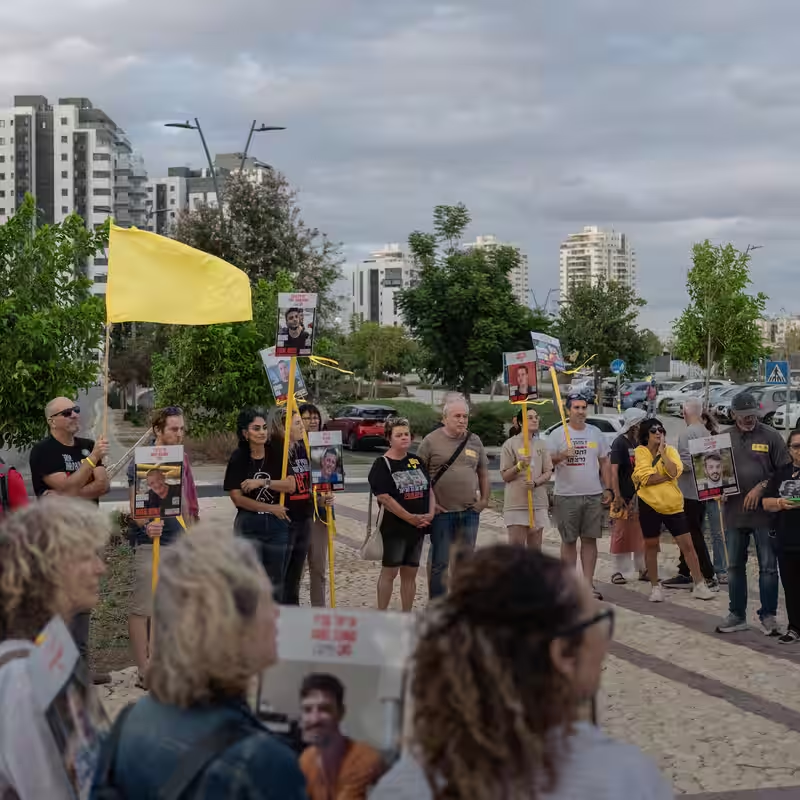
While full details remain under wraps, early reports confirm that the deal includes:
- A mutual ceasefire lasting at least six weeks
- The release of a significant number of Israeli hostages held in Gaza
- The freeing of Palestinian prisoners by Israel in return
- Expanded humanitarian corridors for food, medicine, and fuel into Gaza
- Mechanisms for monitoring compliance by international observers
Why This Ceasefire Feels Different
Unlike previous short-lived truces, this agreement appears to have high-level backing from multiple global actors—including a surprising public endorsement from former U.S. President Donald Trump, who announced the deal as a “first phase” breakthrough .
For Palestinians in Gaza, however, hope is tempered with caution. Many fear that implementation delays or political infighting could derail the process before aid reaches those who need it most .
Timeline of Key Events
| Date | Milestone |
|---|---|
| Jan 19, 2025 | First 60-day ceasefire begins |
| Oct 9, 2025 | Israel’s cabinet ratifies Phase One of new ceasefire deal |
| Oct 10, 2025 (Expected) | Ceasefire officially takes effect |
What Comes After Phase One?
Officials have hinted that this initial agreement is just the opening act. Future phases could address longer-term issues like the reconstruction of Gaza, the status of displaced residents, and potential political negotiations between Israel and Palestinian factions. But for now, all eyes are on whether both sides honor the current terms.
Challenges Ahead
Even with a signed deal, major obstacles remain:
- Trust deficit: Years of conflict have left deep scars on both sides.
- Logistical hurdles: Coordinating hostage releases and aid delivery in a war-torn region is immensely complex.
- Hardline factions: Splinter groups may attempt to sabotage the ceasefire.
As one Gaza resident told reporters: “We’ve heard promises before. We’ll believe it when we see food on our tables and no bombs in the sky” .