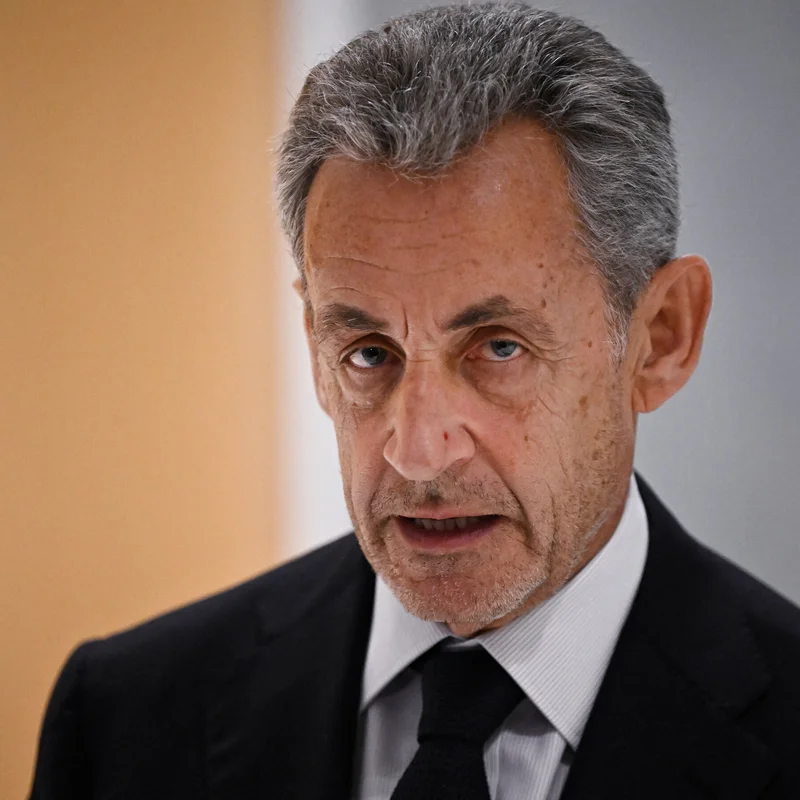
In a landmark ruling that has sent shockwaves through European political circles, former French President Nicolas Sarkozy was sentenced to **one year in prison** on September 25, 2025, after being found guilty of conspiring to illegally finance his 2007 presidential campaign with funds from the late Libyan dictator Col. Muammar el-Qaddafi .
The Paris Criminal Court concluded that Sarkozy accepted approximately **€50 million** (about $54 million USD) from the Qaddafi regime—money that allegedly helped bankroll rallies, media outreach, and campaign logistics during his successful bid for the Élysée Palace .
What the Court Found
After a decade-long investigation involving wiretaps, whistleblower testimony, and financial forensics, judges determined that Sarkozy and his inner circle knowingly solicited and concealed Libyan state funds—a direct violation of French campaign finance laws that cap individual donations at €4,600 and ban foreign contributions entirely .
Key Figures in the Scandal
- 👤 Nicolas Sarkozy – Former President (2007–2012); sentenced to 1 year in prison (eligible for home detention with electronic monitoring)
- 👤 Ziad Takieddine – Lebanese-French arms dealer; key intermediary; already convicted in related cases
- 👤 Saif al-Islam Qaddafi – Son of Muammar Qaddafi; alleged to have approved the transfer; remains in Libya
- 👤 Michel Gaudin – Former Sarkozy security chief; acquitted in this trial
Trial Timeline: From Allegation to Conviction
| Year | Milestone |
|---|---|
| 2012 | Allegations surface in French media; Sarkozy denies claims |
| 2018 | First formal investigation opened; Sarkozy placed under judicial supervision |
| 2021 | Initial conviction in separate corruption case (illegal wiretapping); 3-year sentence |
| 2025 | Guilty verdict in Qaddafi financing case; 1-year prison sentence |
Why This Matters to North Americans
While the case centers on French politics, it has broader implications:
- 🌍 Global campaign finance integrity: Highlights risks of foreign interference in democratic elections—a concern shared by U.S. and Canadian policymakers.
- 🔍 Accountability for leaders: Reinforces that no officeholder is above the law, echoing debates in the U.S. over presidential immunity.
- 💼 Transparency in political donations: Offers lessons for North American reforms on dark money and foreign influence.
Sarkozy’s Response and Next Steps
Sarkozy maintains his innocence, calling the verdict “a political vendetta” and vowing to appeal to France’s highest court, the Cour de Cassation. Legal experts note that due to his age (70) and non-violent offense, he is likely to serve his sentence under **house arrest with an electronic bracelet** rather than in a traditional prison .
For more on political corruption in Western democracies, see our analysis at [INTERNAL_LINK:campaign finance scandals].
For authoritative legal and historical context, visit the BBC News – Europe section, a trusted global source.