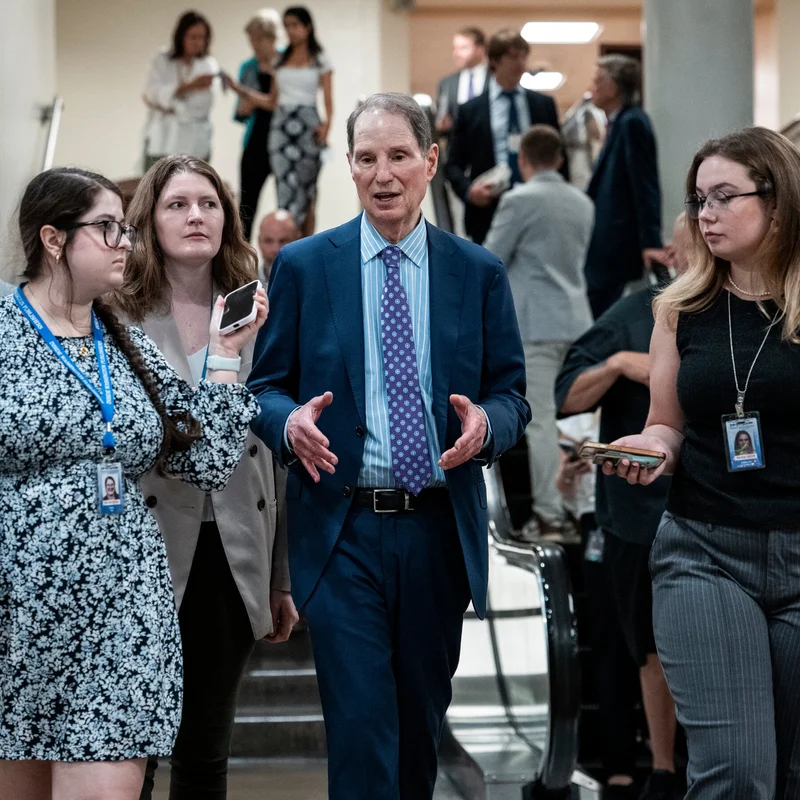
Paul Atkins, the newly appointed chair of the Securities and Exchange Commission (SEC), is on a mission: to reverse the two-decade-long slump in U.S. initial public offerings (IPOs). With fewer companies going public and more staying private longer—or listing overseas—Atkins argues that America’s capital markets are losing their competitive edge. His solution? A sweeping deregulatory agenda he believes will “Make IPOs Great Again.”
Why U.S. IPOs Have Slumped
The number of U.S. IPOs has declined sharply since the early 2000s. In 1996, over 800 companies went public; in 2024, that number hovered around 150. Experts cite a mix of factors: rising compliance costs, complex disclosure rules, litigation risks, and the rise of deep-pocketed private equity firms willing to fund startups indefinitely.
Atkins, a former SEC commissioner and longtime advocate for market deregulation, pins much of the blame on the SEC itself. “We’ve created a regulatory moat so deep that only the largest, most resilient companies can cross it,” he said in a recent speech at the Economic Club of New York.
Atkins’ Three-Pronged IPO Revival Plan
Atkins’ strategy centers on three key reforms:
- Streamlining Disclosure Requirements: Reducing redundant or overly technical filings for emerging growth companies.
- Limiting Liability for Forward-Looking Statements: Shielding executives from lawsuits over optimistic projections made in good faith.
- Expanding Testing-the-Waters Rules: Allowing all private firms—not just small ones—to gauge investor interest before filing.
“The goal isn’t to lower standards,” Atkins insists. “It’s to make the path to public markets more navigable without sacrificing investor protection.”
Critics Say He’s Targeting the Wrong Problem
Not everyone is convinced. Prominent investor advocates and some Democratic lawmakers argue that the real barriers to IPOs aren’t regulation—but market dynamics and corporate governance issues.
“Blaming the SEC ignores the fact that private markets now offer better terms, faster exits, and less scrutiny,” said Lisa Fairfax, a corporate law professor at the University of Pennsylvania. “Deregulation won’t bring back IPOs if founders don’t want the spotlight.”
Others warn that rolling back safeguards could expose retail investors to greater risk. “The 2008 crisis wasn’t caused by too much transparency—it was caused by too little,” said Marcus Stanley of Americans for Financial Reform.
What the Data Shows
| Year | U.S. IPO Count | Avg. First-Day Return | Notable Trend |
|---|---|---|---|
| 1996 | 842 | +18% | Tech boom drives listings |
| 2008 | 21 | +5% | Financial crisis freeze |
| 2021 | 1,035 | +37% | SPAC frenzy inflates numbers |
| 2024 | 148 | +12% | Post-SPAC normalization |
While 2021 saw a surge due to SPACs (special purpose acquisition companies), traditional IPOs have remained tepid. Many unicorns like Stripe and SpaceX continue to avoid public markets altogether.
Global Competition Heats Up
Meanwhile, exchanges in London, Hong Kong, and Dubai are actively courting U.S. tech firms with lighter regulatory frameworks and faster listing timelines. If Atkins’ plan fails, America’s dominance in global capital formation could erode further.
Still, supporters believe his market-friendly approach could reinvigorate the IPO pipeline—especially for mid-sized firms in biotech, clean energy, and AI that need public capital to scale.
The Road Ahead
Atkins’ proposals are expected to face fierce debate in Congress and within the SEC itself, where the commission remains split along partisan lines. A final rule package could emerge by mid-2026.
Whether his vision truly “makes IPOs great again” or simply weakens investor safeguards will be one of the defining financial policy battles of the next decade.
Sources
The New York Times: “Can Paul Atkins ‘Make I.P.O.s Great Again’?”
U.S. Securities and Exchange Commission (SEC)
Nasdaq IPO Market Data