Bat Attacks Bird Midair: First-Ever Footage Reveals Night Sky Predator
For the first time, researchers have documented a bat catching and consuming a migratory bird in flight—challenging long-held assumptions about nocturnal food chains.
For the first time, researchers have documented a bat catching and consuming a migratory bird in flight—challenging long-held assumptions about nocturnal food chains.

Chancellor Friedrich Merz and German automakers are pushing the EU to relax its 2035 ban on new combustion-engine vehicles, citing economic risks and advocating for e-fuel exemptions.

Danish wind energy leader Orsted announces major layoffs and retreats from U.S. markets following regulatory blocks and financial strain.
Fueled by U.S. demand, avocado farming has devastated Mexican forests. A new satellite-backed certification program is using market pressure to halt illegal clearing—and it’s already working.
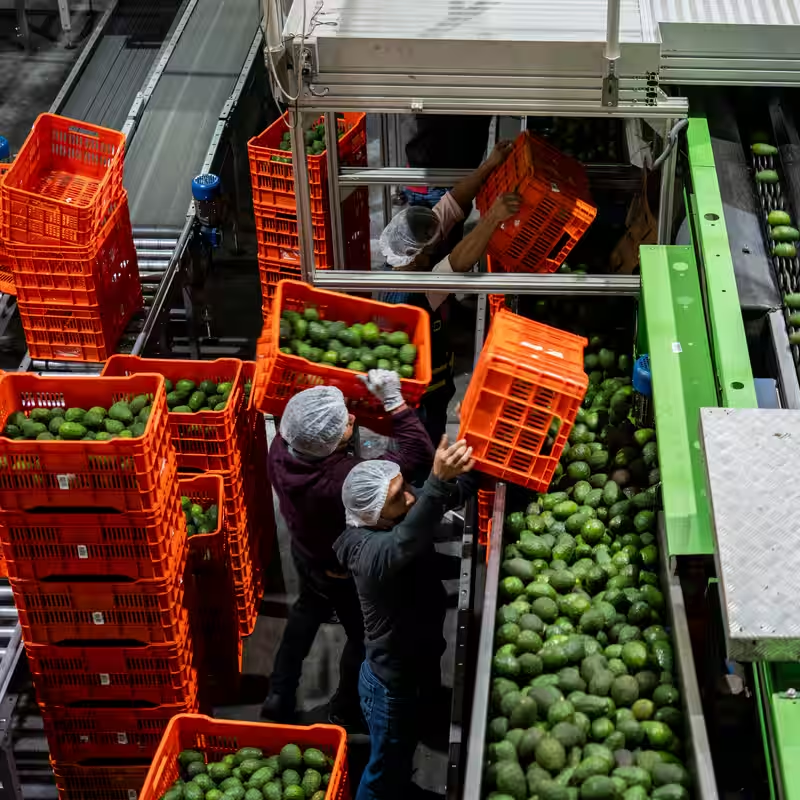
Faced with U.S. market pressure, Mexico’s avocado industry is adopting a satellite-backed certification to halt deforestation—but cartels, fraud, and water shortages remain major hurdles.

The Trump administration has cut over $5.5 billion in federal science funding since January 2025, ending critical climate and health research—prompting The New York Times to launch its ‘Lost Science’ series.
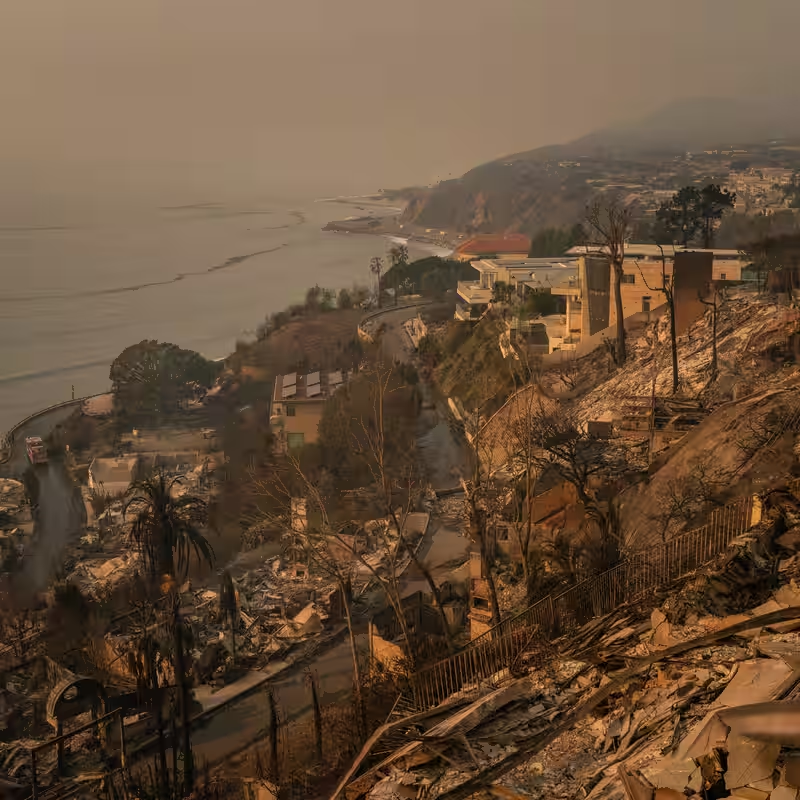
From arson to faulty power lines, the causes of California’s most destructive wildfires vary—but all are amplified by climate change and human expansion into fire-prone areas.
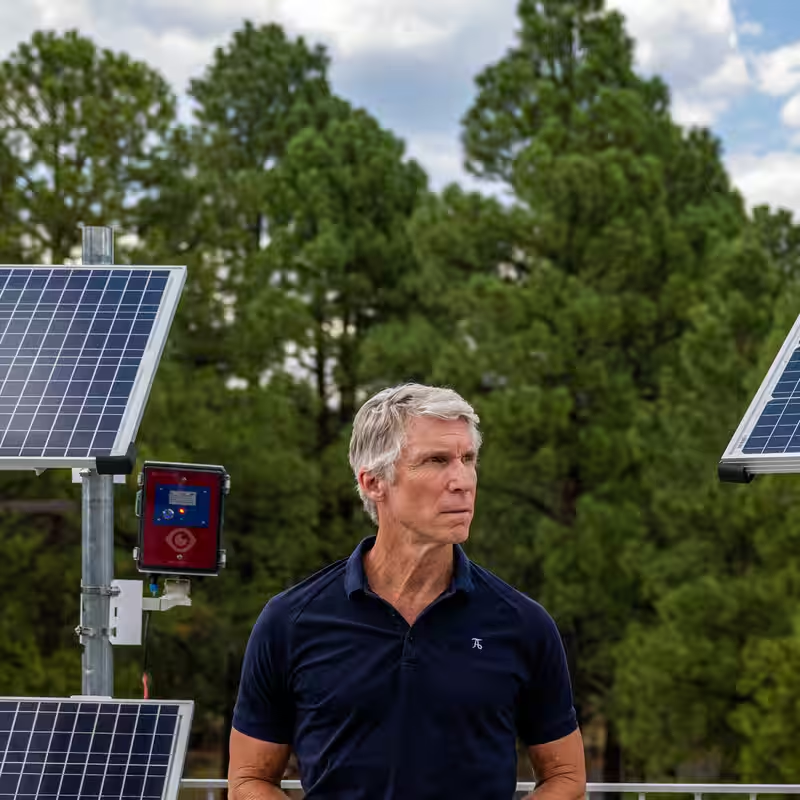
Atmospheric scientist Kevin Gurney’s critical work mapping urban emissions and heat risks was shut down after all three of his federal grants were canceled in June 2025.

A fossil discovered during 1970s subway construction in Toronto has finally been identified as a woodland caribou using advanced DNA analysis—revealing a lost chapter of the city’s natural history.
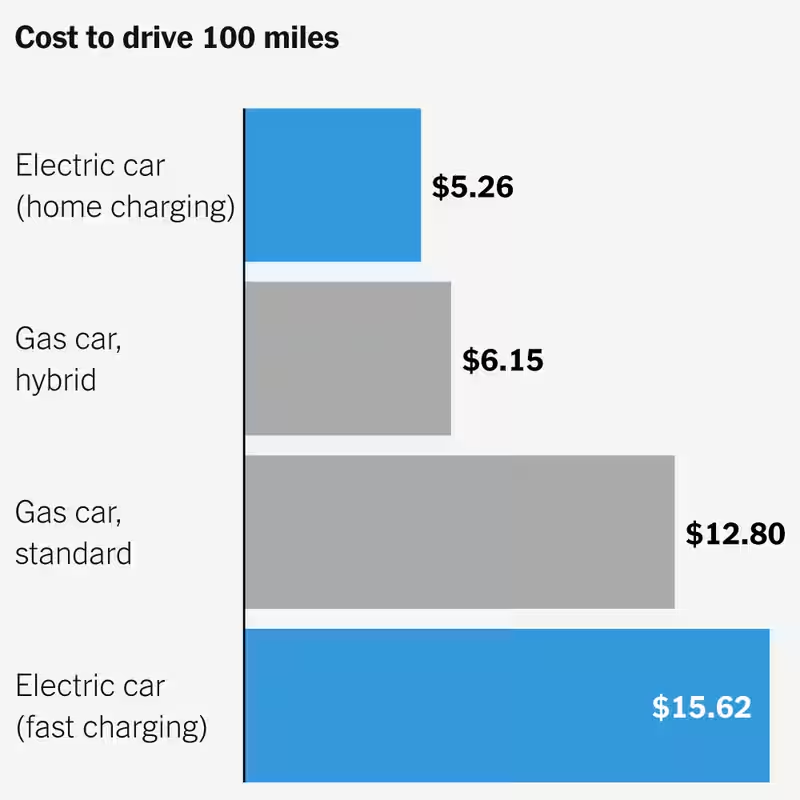
New data reveals where electric cars save the most on fuel—and where they barely beat gas. Location dramatically impacts your EV savings.