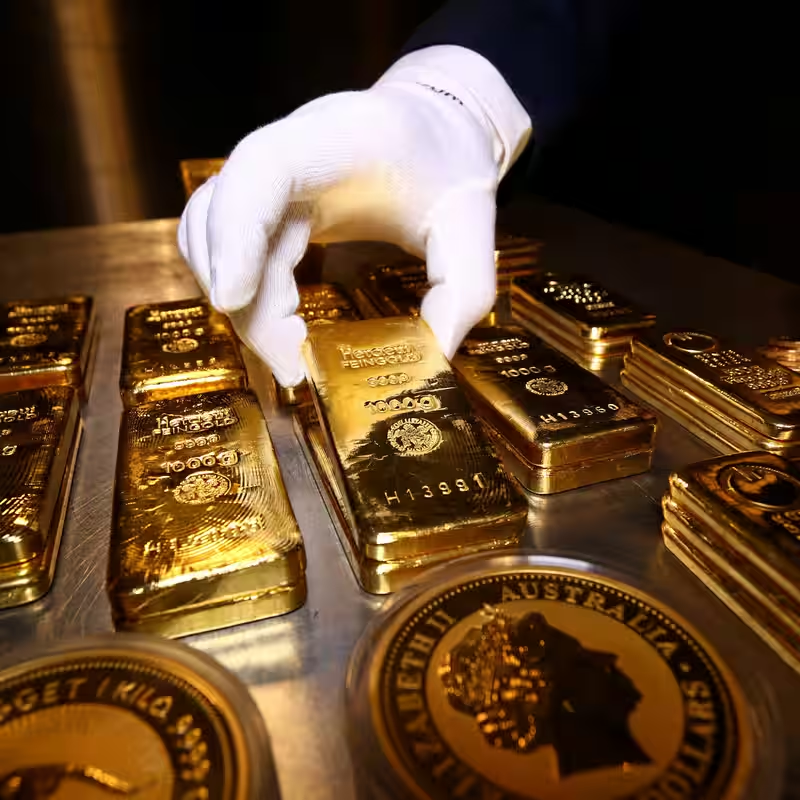
Gold is surging toward an unprecedented milestone—nearly $4,000 per ounce—marking its strongest performance since the volatile 1970s. The rally isn’t just about shiny metal; it’s a flashing red warning light from global markets, signaling deep investor anxiety over political chaos, economic uncertainty, and the weakening allure of traditional safe havens like the U.S. dollar and Treasury bonds .
Table of Contents
- Why Is Gold Soaring in 2025?
- Gold Price Trends by the Numbers
- Who Is Buying Gold?
- What This Means for Everyday Investors
- Historical Context: 1970s vs. Today
- Sources
Why Is Gold Soaring in 2025?
Several converging crises are fueling the gold rush:
- U.S. Government Shutdown: Critical economic data is unavailable, creating blind spots for investors.
- Federal Reserve Rate Cuts: Lower rates weaken the dollar, making non-yielding assets like gold more attractive.
- Global Political Instability: From France’s abrupt leadership collapse to Japan’s pro-spending shift, confidence in major economies is eroding.
- Loss of Faith in U.S. Creditworthiness: After Moody’s downgraded U.S. debt, even allies are diversifying away from dollar assets.
“Gold is no longer just a hedge—it’s becoming a strategic reserve asset,” says Ryan McIntyre of Sprott, a precious metals investment firm .
Gold Price Trends by the Numbers
| Metric | 2025 Value | Change vs. 2024 |
|---|---|---|
| Gold Price (per ounce) | ~$3,980 | ↑ 50% |
| U.S. Dollar Index | 98.2 | ↓ 10% |
| Gold Miners ETF (NYSE Arca) | +112% | Doubled YTD |
| Sept. Gold ETF Inflows | 100+ metric tons | Largest in years (Goldman Sachs) |
Who Is Buying Gold?
It’s not just survivalists and conspiracy theorists anymore. The current wave includes:
- Central Banks: China, India, and Turkey have been stockpiling gold for years to reduce dollar dependence.
- Institutional Investors: Pension funds and hedge funds are using gold as a portfolio diversifier amid stock market volatility.
- Retail Investors: Gold-backed ETFs saw their largest two-week inflows in two decades, per Barclays .
What This Means for Everyday Investors
If you’re holding cash or bonds, the gold surge is a wake-up call. With real yields negative and inflation stubbornly persistent, idle dollars are losing value fast.
Financial advisors suggest allocating 5–10% of a diversified portfolio to gold—via ETFs like GLD, physical bullion, or mining stocks. But caution is key: gold doesn’t generate income, and its price can swing wildly on sentiment alone.
“This isn’t speculation—it’s insurance,” says one wealth manager. “You don’t buy gold to get rich. You buy it so you don’t go broke.”
Historical Context: 1970s vs. Today
The last time gold had a year like this was 1979, when prices jumped over 100% amid oil shocks, stagflation, and the Iran hostage crisis. Today’s backdrop feels eerily similar: high debt, geopolitical fractures, and a loss of trust in institutions.
But there’s a key difference: back then, gold was breaking free from the Bretton Woods system. Now, it’s rebalancing a world where the dollar’s dominance is being quietly—but decisively—challenged.