While President Trump escalates military pressure on Venezuela with the deployment of 10,000 U.S. troops to the Caribbean—most stationed in Puerto Rico—Qatar is quietly pushing for a diplomatic off-ramp, according to senior U.S. and Middle Eastern officials. The stark contrast between Washington’s hardline posture and Doha’s backchannel diplomacy underscores a growing rift in how global powers are responding to the deepening crisis in Latin America.
Troop Buildup Signals Escalation
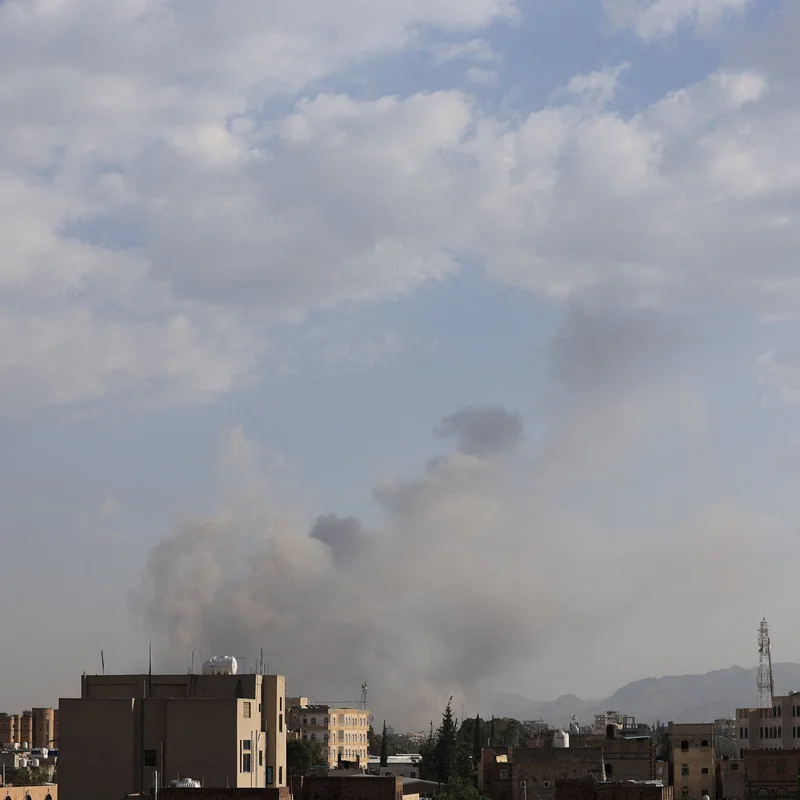
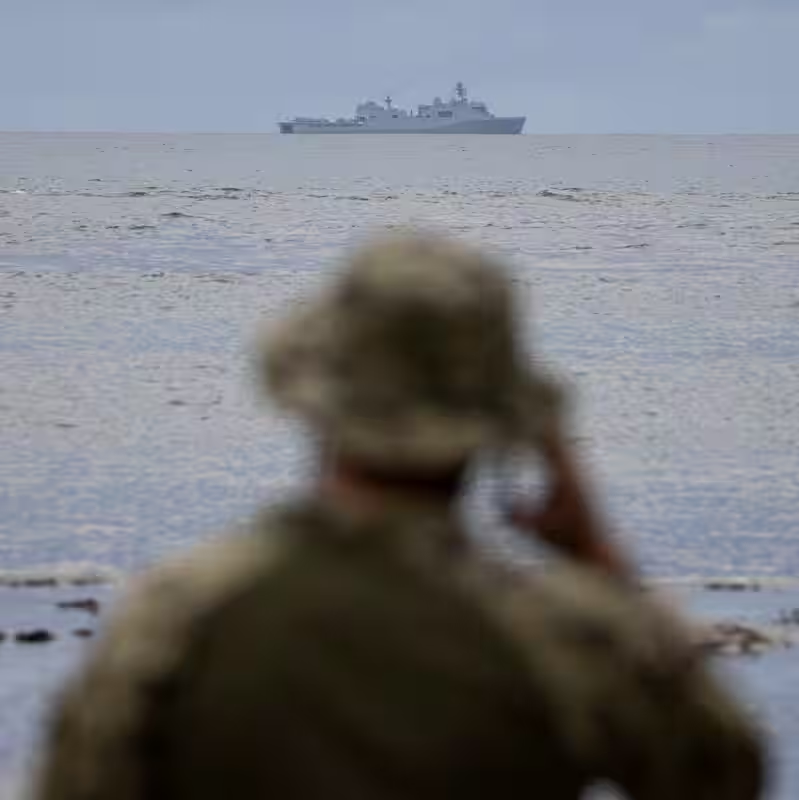
A senior Pentagon official confirmed this week that approximately 10,000 U.S. service members have been moved into the region, primarily to bases in Puerto Rico. The deployment follows a series of controversial airstrikes ordered by President Trump since September 2, targeting vessels allegedly linked to Venezuelan drug cartels in the Caribbean Sea.
“This is not a drill,” the official said, speaking on condition of anonymity. “We are preparing for a range of contingencies, including potential non-combatant evacuation operations and maritime interdiction at scale.”
The military buildup coincides with Trump’s public threats to hold Venezuela’s government accountable for what he calls a “narco-terrorist assault” on American communities through fentanyl trafficking.
Qatar’s Quiet Diplomatic Push
Behind the scenes, however, Qatar—fresh off its role as a key mediator in the Israel-Hamas hostage deal—is urging restraint. Qatari diplomats have held discreet talks with both Caracas and Washington, proposing a framework that would pair limited sanctions relief with verifiable anti-narcotics cooperation from Venezuela.
“Qatar believes military escalation only deepens instability,” said a Gulf-based diplomat familiar with the outreach. “They’re offering a face-saving path for both sides—something Trump might accept if it’s framed as a ‘win.’”
This isn’t the first time Qatar has stepped into a U.S. foreign policy flashpoint. Its success in brokering the recent Gaza ceasefire has elevated its profile as a neutral intermediary, even as critics question its ties to groups like Hamas and the Taliban.
Why Venezuela? Why Now?
The Trump administration claims Venezuelan President Nicolás Maduro’s regime is complicit in smuggling fentanyl into the U.S. via maritime routes. In early October, the White House declared certain drug cartels “foreign terrorist organizations,” invoking wartime authorities to justify lethal strikes without congressional approval.
But intelligence on the targeted boats remains classified, and lawmakers—including Republicans like Sen. Rand Paul—have demanded proof before endorsing further military action.
Table: U.S. Military Posture in the Caribbean (October 2025)
| Component | Details |
|---|---|
| Total Troops Deployed | ~10,000 |
| Primary Base | Roosevelt Roads Naval Station, Puerto Rico |
| Aircraft Deployed | P-8 Poseidon surveillance planes, F-15EX fighters |
| Naval Assets | 2 destroyers, 1 amphibious assault ship on standby |
| Stated Mission | Counter-narcotics, force protection, contingency response |
Congressional Pushback Grows
Last week, Senate Democrats led by Tim Kaine and Adam Schiff attempted to invoke the War Powers Resolution to halt Trump’s Caribbean strikes. The measure failed 51–48, but the debate revealed unease even within GOP ranks.
“You don’t start a war over unverified intel,” Sen. Paul said during floor remarks. “If these are drug runners, arrest them. Don’t bomb them and call it counterterrorism.”
Meanwhile, some Trump allies are pushing for a formal Authorization for Use of Military Force (AUMF) against “narco-terrorist entities,” which could grant the president sweeping powers beyond the Caribbean.
What Comes Next?
With 10,000 troops now in position, the U.S. has the capacity to launch large-scale operations—but also to signal overwhelming deterrence. Analysts suggest the deployment may be as much about posture as preparation.
“Trump wants Maduro to blink,” said Dr. Elena Ruiz, a Latin America security expert at Georgetown. “But if Qatar can get both sides to the table before a misstep triggers real conflict, this buildup might just be theater.”
For now, the world watches as military might and diplomatic finesse pull in opposite directions—one aiming for peace through pressure, the other for peace through dialogue.