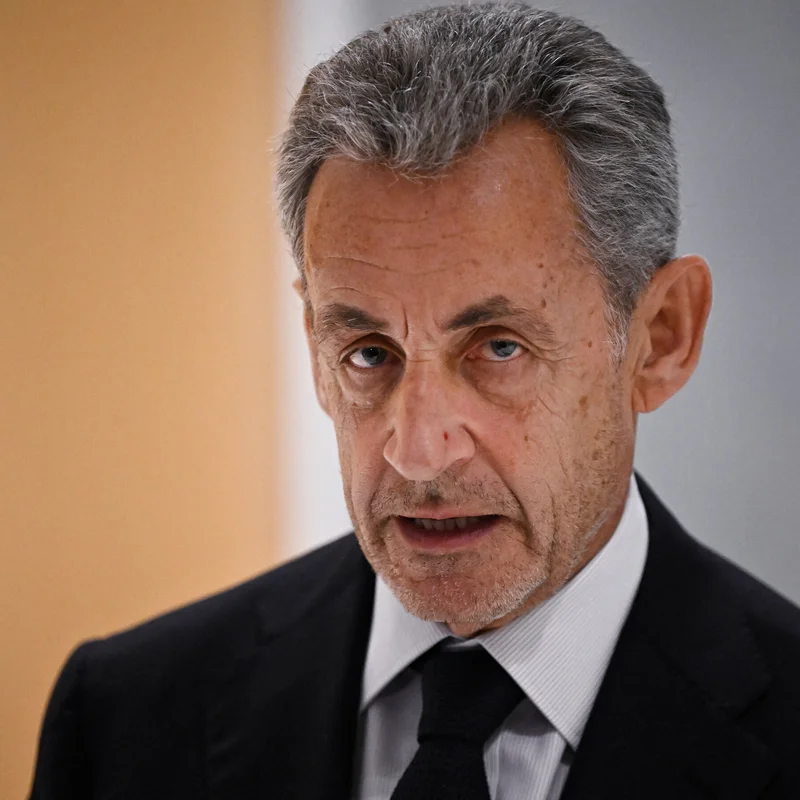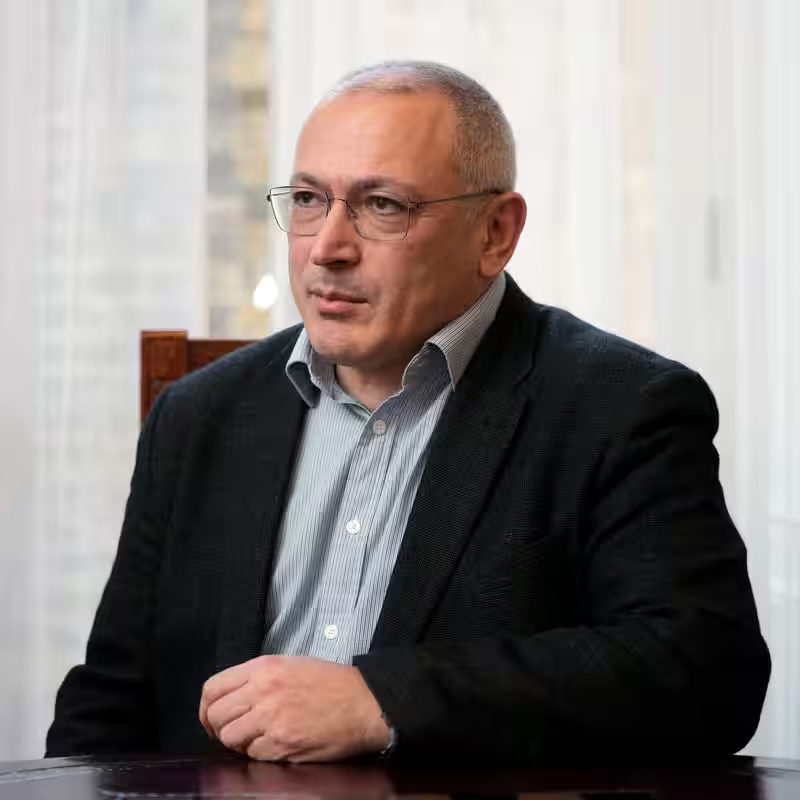
In a dramatic escalation of its campaign against dissent, Russia has officially branded dozens of antiwar exiles as “terrorists,” according to a sweeping intelligence investigation revealed this week. The move signals a chilling new phase in Moscow’s efforts to silence opposition voices far beyond its borders.
Table of Contents
- Russia’s Official Accusation: From Dissent to ‘Terrorism’
- Who’s Being Targeted?
- International Reaction and Legal Concerns
- Inside Russia’s ‘Terrorist’ Registry
- What This Means for Russian Exiles
- Sources
Russia Accuses Antiwar Exiles of Terrorism
The Russian Federal Security Service (FSB) and its domestic counterpart, the Federal Financial Monitoring Service (Rosfinmonitoring), have added more than 50 Russian citizens living abroad to a national “terrorism and extremism” list. Most are known for their vocal opposition to the war in Ukraine, involvement in independent media, or support for anti-Kremlin activism.
According to internal documents reviewed by The New York Times, Russian intelligence agencies are actively tracking these individuals’ bank accounts, social media activity, and even their participation in public forums across Europe and North America.
“This isn’t just about labeling critics—it’s about justifying surveillance, freezing assets, and laying groundwork for potential extradition requests or worse,” said Elena Kostyuchenko, an exiled Russian journalist now based in Berlin.
Who’s Being Targeted?
The list includes a mix of high-profile and grassroots figures:
- Ilya Yashin – Opposition politician sentenced in absentia after fleeing Russia
- Galina Timchenko – Founder of Meduza, an independent news outlet declared “undesirable” in Russia
- Volodymyr Kara-Murza – Though a dual citizen, his antiwar advocacy has drawn Moscow’s ire
- Anonymous tech volunteers who helped develop anti-censorship tools
Russia’s Antiwar ‘Terrorist’ List: Key Stats
| Category | Number of Individuals |
|---|---|
| Journalists & Media Founders | 18 |
| Political Activists | 22 |
| Tech & Cyber Volunteers | 9 |
| Former Military/Intelligence Defectors | 5 |
Global Response: Condemnation and Concern
Western governments have condemned the move. The European Union called it “a weaponization of counterterrorism laws to criminalize free speech.” The U.S. State Department warned that such tactics could endanger asylum seekers and chill legitimate political discourse.
Legal experts note that while Russia has no jurisdiction over these individuals in host countries, inclusion on the list can trigger banking restrictions, travel complications, and even harassment by pro-Kremlin groups abroad.
Inside Russia’s ‘Terrorist’ Registry
Administered by Rosfinmonitoring, Russia’s terrorism list is typically reserved for ISIS affiliates or domestic extremists. But since 2022, it has increasingly included antiwar voices. Once listed, individuals face frozen assets, blocked transactions, and mandatory reporting by financial institutions—even in third countries that comply with Russian data-sharing requests.
“They’re blurring the line between protest and terrorism,” said Dr. Mark Galeotti, a senior associate fellow at the Royal United Services Institute. “It’s a deliberate strategy to delegitimize opposition by associating it with violence.”
What This Means for Russian Exiles
For the estimated 300,000 Russians who fled after the Ukraine invasion, the message is clear: silence or be branded an enemy of the state. Many now fear digital footprints—liking a post, donating to a Ukrainian charity, or even attending a rally—could land them on the next update of the list.
“We left Russia to speak freely,” said one exile in Lisbon, who asked to remain anonymous. “Now Moscow is trying to reach into our new lives and shut us up again.”
Sources
The New York Times: Russia Accuses Antiwar Exiles of Terrorism