Tariff Strategy Reveals Surprising Split in Trade Policy
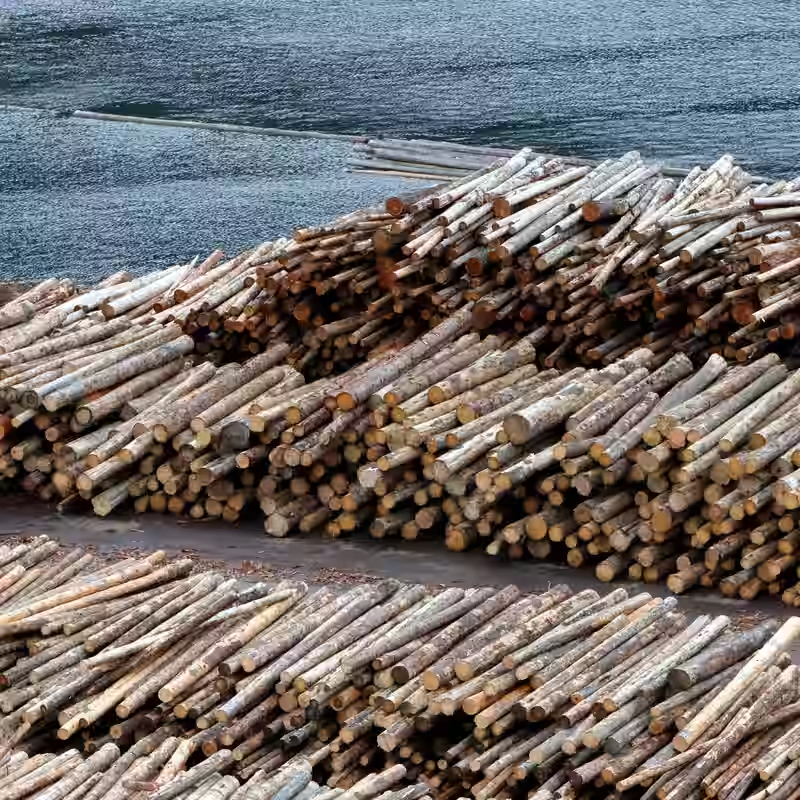
In a move that has left economists and homebuilders scrambling, the Trump administration has unveiled a new wave of targeted tariffs on imported wood products—imposing a steep 25% duty on kitchen cabinets and furniture while levying only a modest 5% tariff on raw timber and lumber.

Why the Disparity?
According to White House officials, the strategy is twofold: protect domestic furniture and cabinet manufacturers—many located in key swing states like North Carolina and Pennsylvania—while avoiding price spikes in home construction by keeping lumber tariffs low.
“We’re defending American craftsmanship, not punishing homebuyers,” said Commerce Secretary Howard Lutnick in a statement. “Cabinets and furniture are finished goods that can and should be made here.”
Tariff Breakdown: What’s Affected and at What Rate
| Product Category | New Tariff Rate | Primary Source Countries | Effective Date |
|---|---|---|---|
| Raw softwood lumber | 5% | Canada, Brazil, Chile | October 15, 2025 |
| Kitchen cabinets (finished) | 25% | China, Vietnam, Mexico | October 15, 2025 |
| Wooden furniture (e.g., tables, dressers) | 25% | China, Indonesia, Malaysia | October 15, 2025 |
| Plywood and engineered wood panels | 10% | China, Russia | October 15, 2025 |
Industry Reactions: Winners and Losers
- U.S. Cabinet Makers (Winners): Companies like MasterBrand and American Woodmark praised the move as “long overdue protection.”
- Homebuilders (Mixed): While relieved lumber tariffs stayed low, they warn that cabinet price hikes could add $2,000–$5,000 to new home costs.
- Retailers (Losers): IKEA, Wayfair, and Home Depot may face margin pressure or pass costs to consumers.
- Environmental Groups (Concerned): Fear lower lumber tariffs could encourage deforestation if demand surges without sustainability safeguards.
Infographic: How Tariffs Will Impact Your Home Renovation
• Kitchen Remodel (avg.): +$1,800–$3,500 due to cabinet tariffs
• New Dining Set: +15–25% on imported wood furniture
• Framing a House: Minimal change—lumber tariffs remain low
• DIY Projects: Plywood and panel prices may rise modestly
Trade Experts Question the Logic
“This isn’t free trade or protectionism—it’s political trade policy,” said Dr. Elena Martinez, trade economist at the Peterson Institute. “You’re shielding politically sensitive manufacturers while avoiding backlash from the housing sector ahead of the 2026 midterms.”
China has already signaled it may file a complaint with the World Trade Organization, calling the tariffs “discriminatory and protectionist.”
[INTERNAL_LINK:U.S._Trade_Policy_Under_Trump]
[INTERNAL_LINK:Impact_of_Tariffs_on_Consumer_Prices]