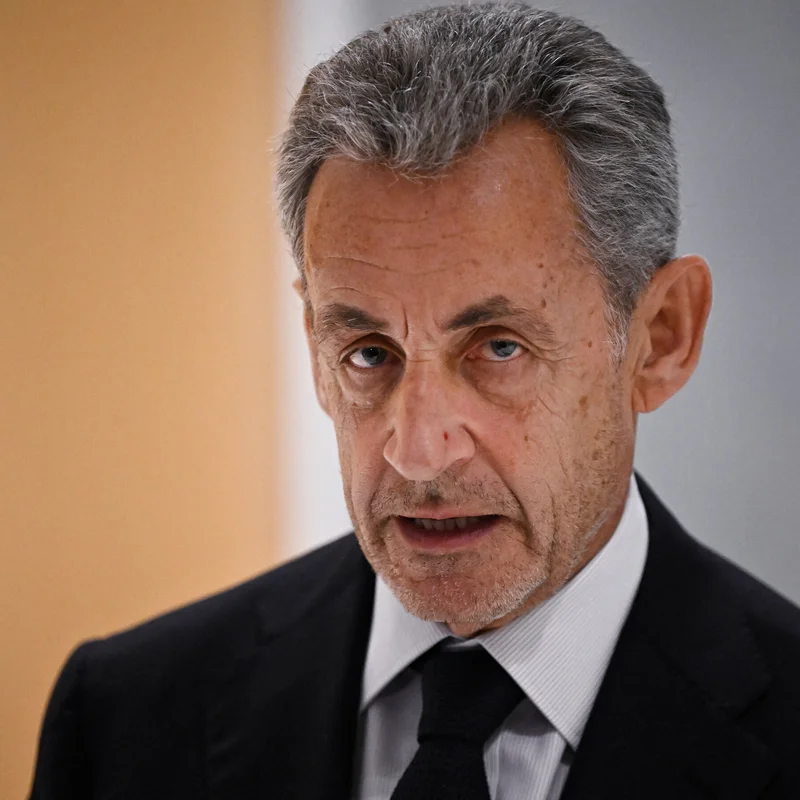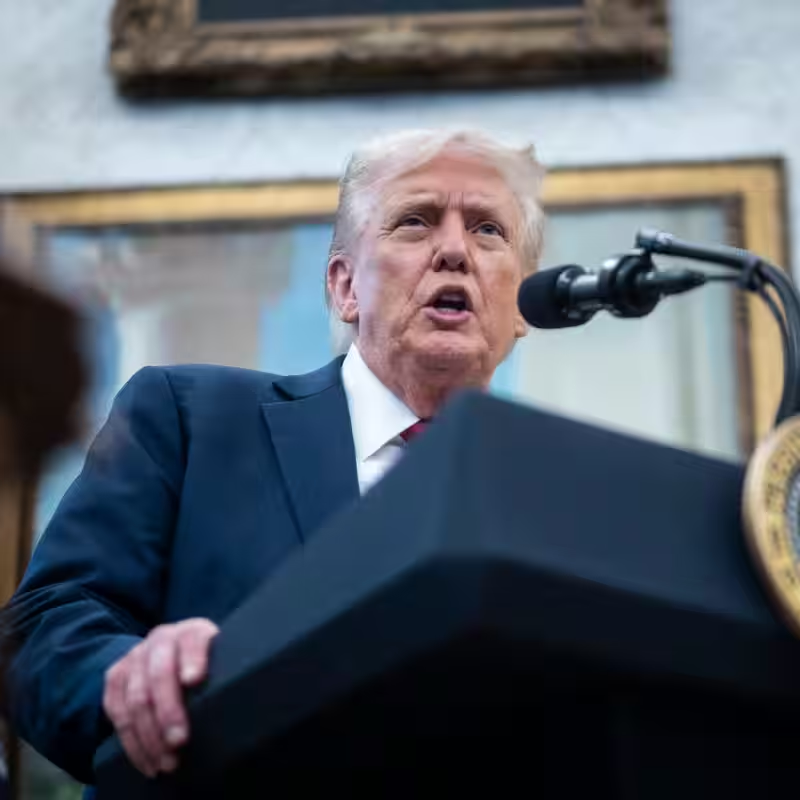
In a twist that legal experts are calling both ironic and predictable, former President Donald Trump’s relentless public attacks on James Comey may end up sabotaging the very prosecution he demanded. As the former FBI director faces federal charges in Virginia, his defense team is preparing to argue that Trump’s inflammatory rhetoric—and direct interference in the Justice Department—constitutes a textbook case of vindictive prosecution.
Table of Contents
- How Trump’s Comments Could Backfire
- What Is Comey Actually Accused Of?
- The Controversial Prosecutor Behind the Case
- Can Vindictive Prosecution Actually Work?
- Judge Nachmanoff’s Crucial Role
- Sources
How Trump’s Comments Could Backfire
Since James Comey was indicted in September 2025, Trump has repeatedly declared his guilt on social media. In one post, he wrote: “HE LIED! It is not a complex lie… There is no way he can explain his way out of it.”
While such statements rally his base, they’re a legal landmine. Under U.S. law, if a defendant can prove that charges were filed due to personal animus or political retaliation—not legitimate legal grounds—they can ask a judge to dismiss the case as vindictive prosecution.
Patrick Fitzgerald, Comey’s lead attorney and a former U.S. Attorney known for prosecuting high-profile cases, told the court: “The president’s public demands for prosecution, followed by the firing of prosecutors who refused to act, create a clear pattern.”
What Is Comey Actually Accused Of?
The indictment is unusually sparse—just two pages—and centers on Comey’s 2020 Senate testimony. Specifically:
- Count 1: Allegedly lying when he denied authorizing an FBI official to anonymously leak info about an investigation.
- Count 2: Obstructing a congressional proceeding by making “false and misleading statements.”
Crucially, the indictment doesn’t name the investigation, the reporter, or the “someone” Comey allegedly authorized—leaving even his defense team in the dark. “We still haven’t been told who Person 1 and Person 3 are,” Fitzgerald said during the October 8 arraignment.
The Controversial Prosecutor Behind the Case
The charges were filed by Lindsey Halligan, a 36-year-old Trump loyalist with no prior experience as a federal prosecutor. Until recently, she worked as Trump’s personal lawyer and a midlevel White House staffer.
She was installed as interim U.S. Attorney for the Eastern District of Virginia after Trump forced out her predecessor, Erik Siebert, who had concluded there wasn’t enough evidence to charge Comey.
Internal turmoil followed: two senior career prosecutors were fired for objecting to the case, and many others have reportedly sought transfers or outside jobs. Halligan’s office has had to borrow prosecutors from North Carolina to staff the trial.
Can Vindictive Prosecution Actually Work?
It’s rare—but not impossible. Courts have dismissed cases when political pressure clearly influenced charging decisions. Key factors include:
- Timing of charges relative to public statements
- Removal of dissenting officials
- Lack of evidentiary basis
- Deviation from normal DOJ protocols
Here, all four boxes may be checked. Legal scholars note that Trump’s social media posts, combined with the ousting of Siebert and the rushed, vague indictment, create a strong factual foundation for Comey’s motion to dismiss.
Judge Nachmanoff’s Crucial Role
Presiding over the case is Judge Michael S. Nachmanoff, a Biden appointee with deep roots in the Alexandria courthouse—once a federal public defender, now known for procedural rigor.
During the arraignment, he expressed skepticism about the prosecution’s claim that the case is complex, saying: “This does not appear to me to be an overly complicated case.”
His impartiality and experience could prove decisive. If he allows the vindictive prosecution motion to proceed, the entire case could collapse before trial even begins.
Sources
The New York Times: “Trump’s attacks on Comey may undermine the case against him”