As fragile hopes for peace flicker in the Middle East, the fate of 20 hostages believed alive in Gaza has become central to a potential breakthrough. According to Israeli officials, these individuals—men, women, and children—are set to be released in a major prisoner exchange deal with Hamas, alongside the return of the remains of those who tragically did not survive captivity. But who are these people? Their stories are not just names on a list—they are threads of humanity woven into one of the region’s most painful chapters.
The Hostages Believed Alive: A Glimmer of Hope
The term “hostages believed alive” has taken on profound emotional and political weight. Israel’s intelligence and military sources, corroborated by international mediators, maintain that 20 of the original 251 hostages taken during the October 7, 2023 attacks are still living. This number forms the core of ongoing ceasefire negotiations involving Qatar, Egypt, and the United States.
While full public profiles are limited for security and privacy reasons, fragments of their identities have emerged through family appeals, government statements, and verified media reports.
Known Details About the Living Hostages
Among those believed alive are:
- Shiri Bibas and her two young sons, Ariel (4) and Kfir (2): Captured from Kibbutz Nir Oz, their image—showing the boys in matching outfits—became a global symbol of the crisis. Shiri, a Brazilian-Israeli dual citizen, was last confirmed alive in mid-2024 via a Red Cross message.
- Ohad Ben Ami: A 56-year-old father of five from Nir Oz, known for his community activism. His family has tirelessly campaigned for his release.
- Romi Gonen: A 22-year-old former soldier abducted from the Nova music festival. Her boyfriend was killed during the attack; her family holds weekly vigils in Tel Aviv.
- Fernando Simon Marman and Luis Herr: Argentine-Israeli dual nationals in their 60s, taken from Kibbutz Be’eri. Argentina’s government has been actively involved in diplomatic efforts for their return.
Other names remain unconfirmed publicly, but sources indicate the group includes elderly civilians, women, and at least one foreign national from a European country not yet disclosed.
Why These 20? The Criteria Behind the List
Intelligence assessments suggest these 20 hostages have been kept in relatively stable conditions—though still under duress—and are considered “viable” for transfer under current security protocols. Their survival is attributed to several factors: their value in negotiations, international citizenship (which increases diplomatic pressure), and, in some cases, health considerations that make them priorities for humanitarian release.
Crucially, their inclusion in the exchange list reflects not just who is alive, but who Hamas is willing to release in the first phase of a potential multi-stage ceasefire agreement.
The Human Cost: Families in Limbo
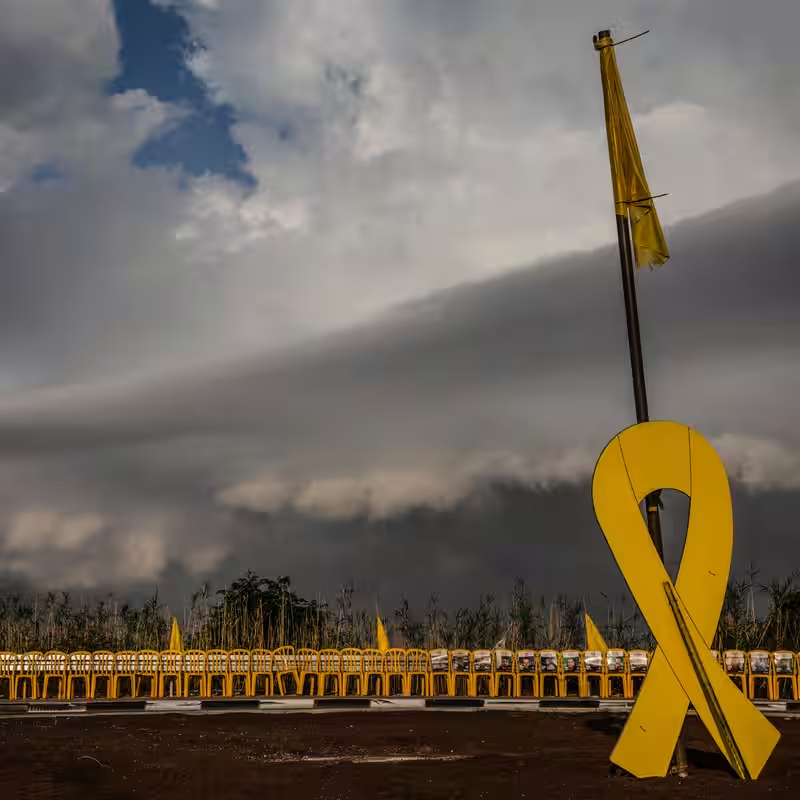
For over two years, families of the hostages have lived in a state of suspended grief. Weekly protests in Israel, global advocacy campaigns, and personal pleas to world leaders have kept their loved ones in the public eye. The psychological toll is immense—hope and despair cycling with every rumor, every diplomatic update.
“We don’t know if he’s warm, if he’s fed, if he’s scared,” said one relative in a recent interview. “But knowing he’s alive? That’s everything.”
What Comes Next?
If the ceasefire deal holds, the release of these 20 hostages would mark the largest single transfer since the conflict began. It would also pave the way for the return of dozens of bodies, allowing families a chance at burial and closure. Yet the process remains fragile—dependent on verification, logistics, and the volatile trust between warring parties.
For now, the world watches and waits. Behind the geopolitics are 20 human beings whose freedom could signal the first real step toward peace.