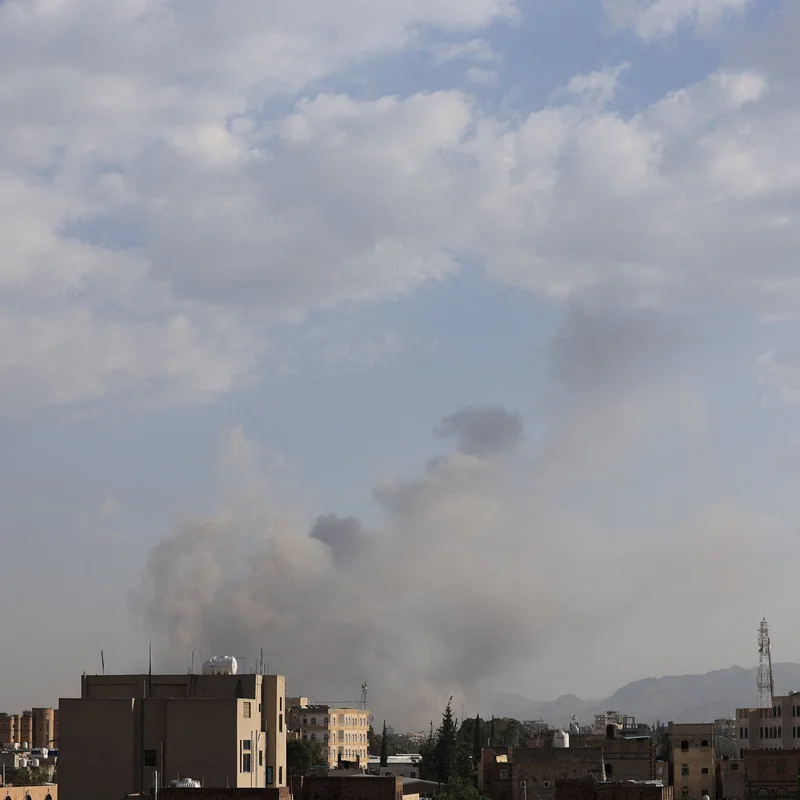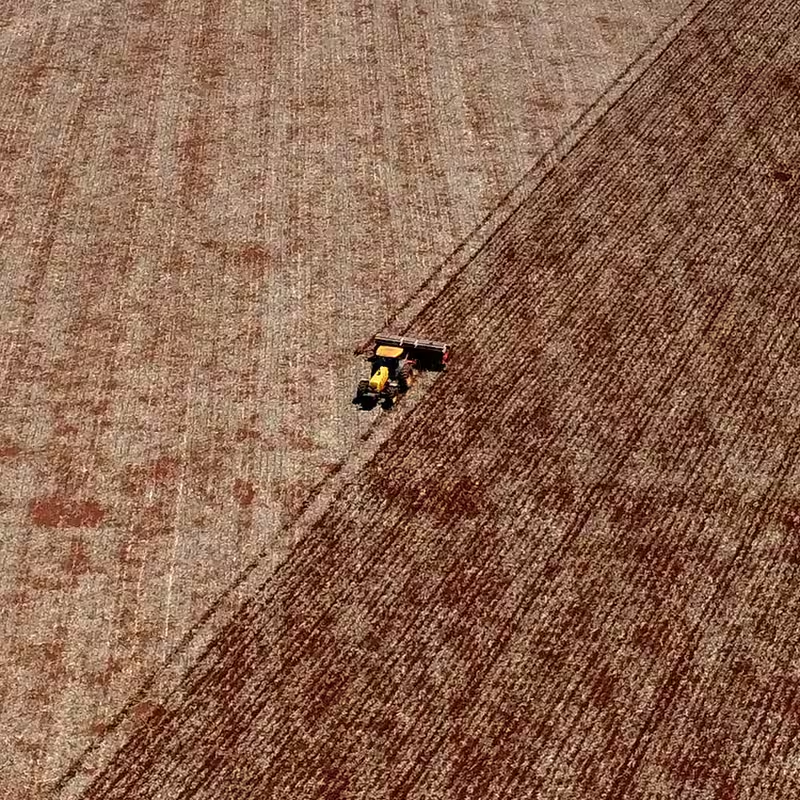
Brazil’s soybean boom, fueled by escalating U.S.-China trade tensions, is putting unprecedented pressure on the Amazon rainforest and the biodiverse Cerrado savanna. As former President Donald Trump slaps steep new tariffs on Chinese imports—reportedly up to 145%, though temporarily paused at 30%—China is turning to Brazil as its top soy supplier, triggering a dangerous chain reaction in one of the planet’s most vital ecosystems .
Table of Contents
- How Trump’s Tariffs Reshaped Global Soy Trade
- Brazilian Farmers Push to Weaken Environmental Laws
- The Looming Deforestation Crisis
- What This Means for Climate and Global Markets
How Trump’s Tariffs Reshaped Global Soy Trade
During Trump’s first term, his trade war with China caused a dramatic shift in global agricultural flows. U.S. soybean exports to China plummeted, and Brazil swiftly filled the gap . Now, in 2025, history is repeating itself—but with even higher stakes. With new tariffs disrupting U.S.-China commerce, China is doubling down on Brazilian soy, making Brazil the world’s largest exporter to the Chinese market .
This surge in demand has sent soy prices soaring and created massive incentives for Brazilian agribusiness to expand—often into protected or ecologically sensitive lands.
Brazilian Farmers Push to Weaken Environmental Laws
Emboldened by record profits and strong Chinese demand, powerful farming lobbies in Brazil are actively campaigning to roll back long-standing deforestation restrictions. Their argument? That environmental regulations stifle economic growth and limit Brazil’s ability to capitalize on this golden trade opportunity .
Proposals under discussion include relaxing the Amazon Soy Moratorium—a voluntary agreement that has helped curb deforestation linked to soy since 2006—and loosening enforcement in the Cerrado, a biodiversity hotspot that lacks the same legal protections as the Amazon rainforest .
The Looming Deforestation Crisis
The data is alarming. According to Trase, a supply chain transparency initiative, soy production in the Amazon already causes deforestation at a rate of 3.2 hectares per 1,000 tonnes of soy in monitored areas . With Chinese imports expected to climb even higher in response to U.S. tariffs, experts warn that illegal clearing could surge beyond current monitoring capabilities.
Deforestation Intensity: Soy Production in Brazil (2022 Data)
| Region | Deforestation per 1,000 Tonnes of Soy | Legal Protections |
|---|---|---|
| Amazon (Moratorium Area) | 3.2 hectares | Strong (but under threat) |
| Cerrado | Estimated higher (no official cap) | Weak or non-existent |
Environmental scientists stress that the Cerrado—home to 5% of Earth’s biodiversity—is even more vulnerable, as it’s not covered by the soy moratorium and faces intense conversion pressure .
What This Means for Climate and Global Markets
The ripple effects extend far beyond Brazil. The Amazon and Cerrado are critical carbon sinks. Accelerated deforestation not only releases stored CO₂ but also reduces the planet’s capacity to absorb future emissions—directly undermining global climate goals .
For consumers and policymakers in the U.S. and Europe, this underscores a harsh reality: trade policies made in Washington can have devastating ecological consequences thousands of miles away. As one analyst put it, “Trump’s tariffs may be aimed at China, but the Amazon is paying the price” .
Sources
- “Trump’s Trade War Could Turbocharge Deforestation,” 2025.
- “Trump’s China tariffs drive up Brazil soy farming and Amazon,” 2025.
- “How Brazil and China can deliver on sustainability goals,” 2025.
- “US-China tariff spat could raise Brazil deforestation risk,” 2025.
- “Trase: Brazilian soy exports and deforestation,” 2025.
- “What Trump’s tariffs mean for Brazil,” 2025.
- The New York Times: Trump’s Tariff Fight With China Means Trouble for a Vast Wilderness in Brazil