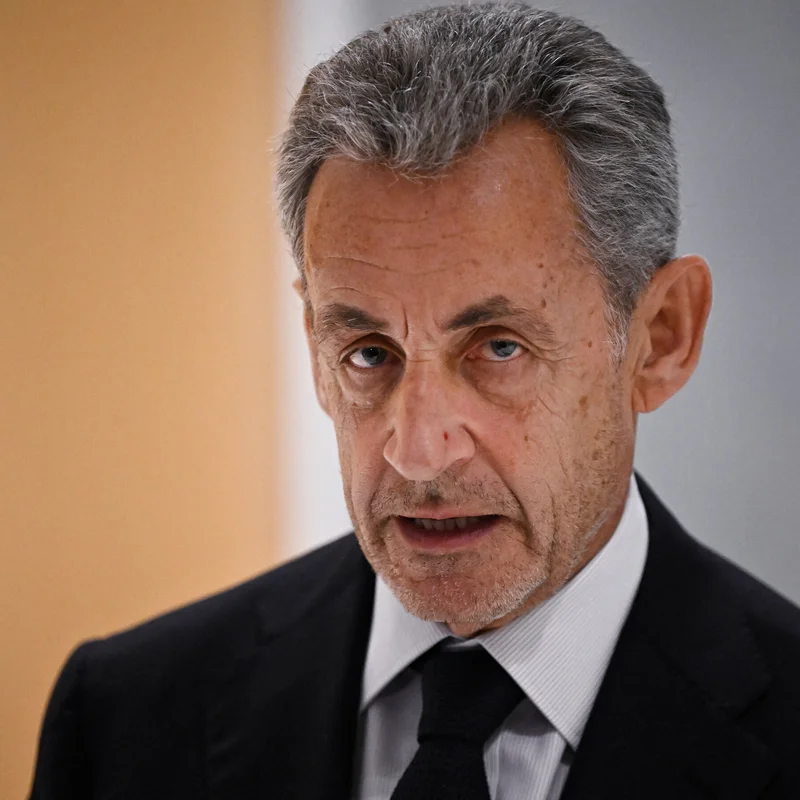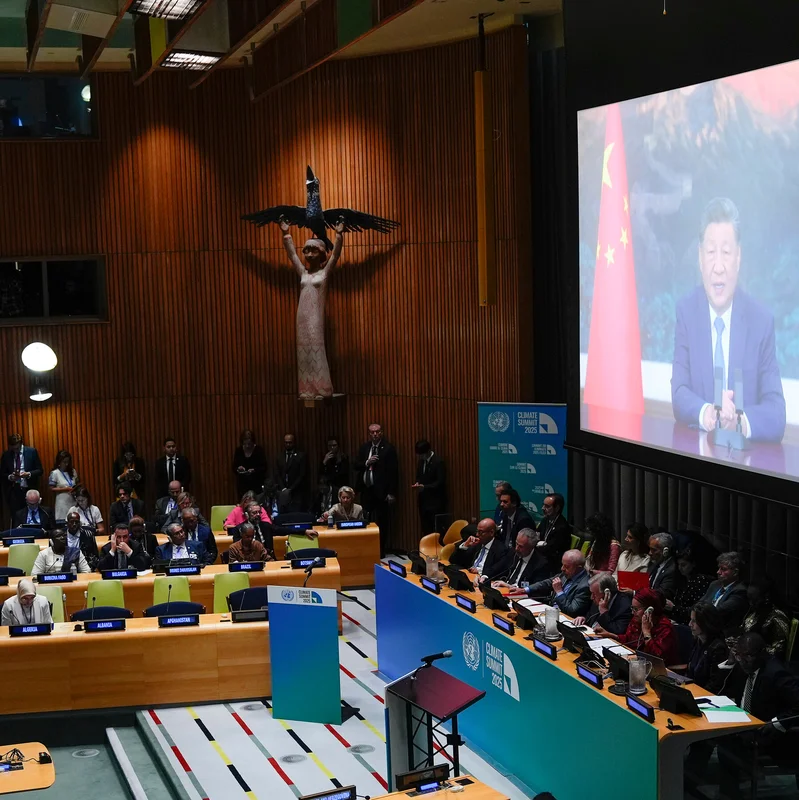
At the 2025 United Nations General Assembly, China’s relatively modest climate and trade pledges drew outsized attention—not because they were groundbreaking, but because they stood in stark contrast to a retreating United States. With former President Donald Trump leading polls for a potential 2028 return and signaling a renewed “America First” foreign policy, Beijing’s incremental diplomacy is now being perceived as a form of global leadership .
Why Small Steps Matter Now
In a world hungry for stability, even symbolic gestures carry weight. During the U.N. summit, China announced:
- A commitment to peak carbon emissions by 2029—one year earlier than previously stated.
- A $2 billion climate resilience fund for Global South nations.
- Support for a WTO-led framework to reduce digital trade barriers.
While these pledges fall short of transformative action, they filled a vacuum left by Washington’s silence on multilateral cooperation. “When the U.S. steps back, even China’s baby steps look like strides,” said Dr. Lena Torres, a senior fellow at the Brookings Institution .
🌍 U.S. vs. China: Global Engagement Shift (2024–2025)
United States: Reduced foreign aid, withdrawn from two U.N. environmental working groups, paused climate finance contributions.
China: Increased Belt and Road green investments, joined U.N. methane pledge, hosted Global South tech summit.
Trump’s Shadow Over Global Diplomacy
Although not in office, Trump’s influence looms large. His campaign has vowed to:
- Withdraw from the Paris Climate Agreement—again.
- Impose 60% tariffs on Chinese goods.
- Cut funding to the World Health Organization and U.N. peacekeeping.
These promises have already altered global calculations. Allies like Germany and Canada are quietly diversifying partnerships, while developing nations are turning to Beijing for infrastructure and climate support—even amid concerns over debt and transparency .
China’s Strategic Messaging at the U.N.
| Policy Area | China’s 2025 Pledge | U.S. Position (Under Trump Rhetoric) |
|---|---|---|
| Climate Action | Peak emissions by 2029; $2B resilience fund | No new commitments; potential Paris exit |
| Trade | Support WTO digital trade rules | Threaten sweeping tariffs; reject multilateral deals |
| Global Health | Expand vaccine donations to Africa | Proposed WHO funding cuts |
North American Implications
For U.S. and Canadian readers, this shift isn’t just geopolitical theater—it affects real-world outcomes:
- ✅ Supply Chains: Companies may accelerate decoupling from China if U.S. tariffs return.
- ⚠️ Climate Goals: Without U.S. leadership, global emissions targets become harder to meet—impacting North American weather extremes and insurance costs.
- 🌐 Diplomatic Isolation: U.S. allies may hedge bets, reducing intelligence and defense cooperation if Washington appears unreliable.
For more on how global power shifts affect everyday life, see our deep dive on [INTERNAL_LINK:geopolitical-risk-for-consumers].