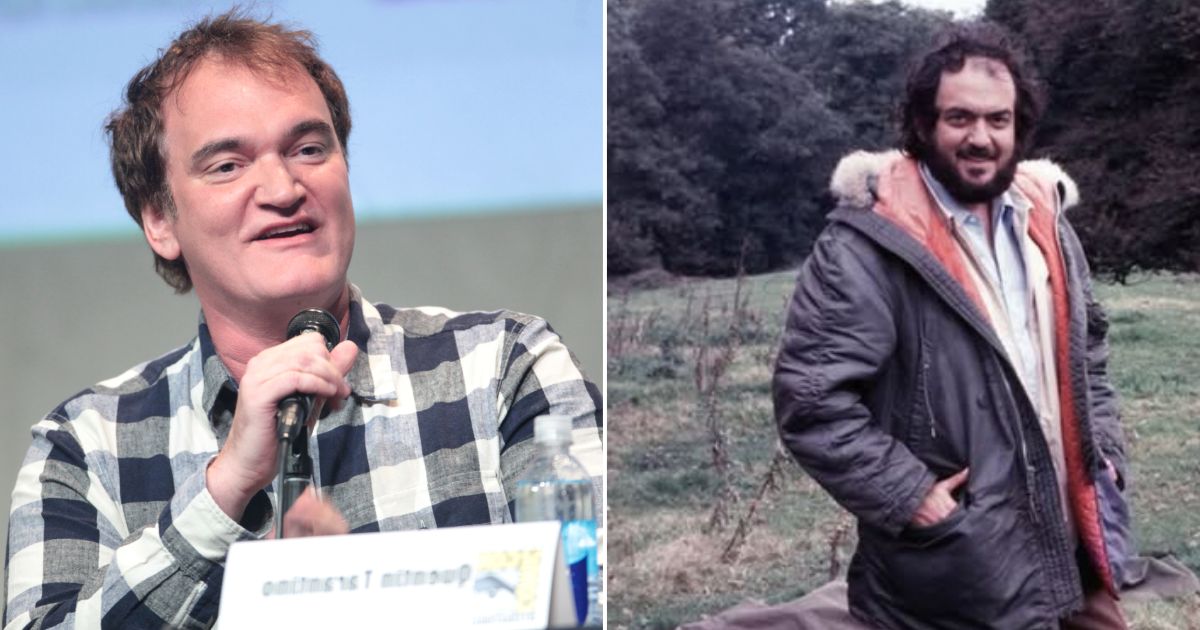
HOLLYWOOD, CA – In the annals of modern cinema, Quentin Tarantino’s 1992 debut, “Reservoir Dogs,” stands as a watershed moment – a raw, dialogue-driven, non-linear heist film that redefined independent filmmaking. But what if the secret to its innovative structure and gritty realism lies hidden in plain sight, within a classic film noir from nearly four decades prior? Film aficionados have long suspected it, and Tarantino himself has confirmed it: Stanley Kubrick’s 1956 masterful heist film, “The Killing,” served as a profound inspiration, effectively providing a blueprint for “Reservoir Dogs.”
The Core Revelation: Tarantino’s Acknowledgement
The central news is that Quentin Tarantino has openly and repeatedly acknowledged the significant influence of Stanley Kubrick’s “The Killing” on his own groundbreaking film, “Reservoir Dogs.” This isn’t just a passing nod; Tarantino has pointed to Kubrick’s film as a key source of inspiration, particularly for its narrative structure and its approach to a heist story.
Background: The Two Titans
- “Reservoir Dogs” (1992):
- Director: Quentin Tarantino
- Synopsis: The film revolves around the bloody aftermath of a diamond heist gone terribly wrong. The surviving criminals gather at a warehouse rendezvous point, suspecting a police informant among them.
- Hallmarks: Non-linear storytelling, sharp and profane dialogue, pop culture references, ensemble cast, and intense violence. It launched Tarantino’s career and became an instant cult classic.
- “The Killing” (1956):
- Director: Stanley Kubrick
- Synopsis: This film noir classic details an elaborate plan by a group of criminals to rob a racetrack. It meticulously follows the planning and execution of the heist, leading to its eventual, fated unraveling.
- Hallmarks (for its time): Non-linear narrative structure, a focus on the mechanics of the crime, a detached and cynical tone, and a powerful sense of impending doom.
The Kubrick Connection: How “The Killing” Shaped “Dogs”
The influence of “The Killing” on “Reservoir Dogs” is most apparent in several key areas:
- Non-Linear Narrative:
- “The Killing”: Kubrick broke from conventional storytelling by presenting events out of chronological order, jumping between different characters’ perspectives and different stages of the heist (before, during, and after). This was quite innovative for its era.
- “Reservoir Dogs”: Tarantino took this non-linear approach to another level. The audience never sees the actual heist. Instead, the film jumps between the tense warehouse standoff (after the heist) and flashbacks detailing the planning stages and character introductions (before the heist). This fragmentation builds suspense and allows for character revelations in a piecemeal, engaging fashion.
- The Heist Gone Wrong:
- Both films center on meticulously planned heists that ultimately fall apart due to human error, betrayal, or sheer bad luck. This “best-laid plans” trope creates inherent drama and tension.
- Focus on Character and Aftermath:
- While “The Killing” does show the heist, a significant portion, like “Reservoir Dogs,” deals with the characters involved and the unraveling of their plans.
- “Reservoir Dogs” almost exclusively focuses on the before (the planning, the personalities) and the after (the paranoia, the accusations, the bleeding), making the unseen heist a central, mysterious event that drives the narrative.
- Ensemble of Criminals:
- Both films feature a group of distinct criminal characters, each with their own motivations and flaws, whose interactions (or lack thereof) contribute to the plot’s progression and ultimate failure.
Tarantino himself has reportedly stated that “The Killing” showed him how to structure a heist film without necessarily showing the heist itself in a traditional way, focusing instead on the “before” and “after” to build a richer, more character-driven story.
Comparative Glance: “The Killing” vs. “Reservoir Dogs”
| Feature | Stanley Kubrick’s “The Killing” (1956) | Quentin Tarantino’s “Reservoir Dogs” (1992) |
| Core Premise | Heist at a racetrack | Diamond heist gone wrong |
| Narrative Style | Non-linear, multiple perspectives | Non-linear, flashbacks, character-focused |
| Focus | Planning, execution, and immediate aftermath | Before the heist, aftermath, character dynamics |
| Heist Depiction | Partially shown, central to plot progression | Not shown, serves as a catalyst for events |
| Tone | Noir, cynical, fatalistic | Violent, darkly comedic, tense, profane |
Why This Matters
Understanding this connection offers several insights:
- Artistic Lineage: It highlights how even the most original and groundbreaking filmmakers stand on the shoulders of giants, drawing inspiration from past masters.
- Appreciation for Classics: It can lead audiences to revisit or discover Kubrick’s “The Killing,” appreciating its innovative techniques that were ahead of its time.
- Deeper Understanding: For fans of “Reservoir Dogs,” knowing about this influence provides a new layer of appreciation for Tarantino’s craft and his ability to synthesize and reimagine existing cinematic ideas into something uniquely his own.
It’s a testament to Kubrick’s genius that a film from the 1950s could so directly inspire a film that would, in turn, inspire a new generation of filmmakers in the 1990s and beyond. The echoes of “The Killing” in “Reservoir Dogs” are a fascinating example of cinematic evolution and the enduring power of great storytelling.
Source Sites & Article Links: