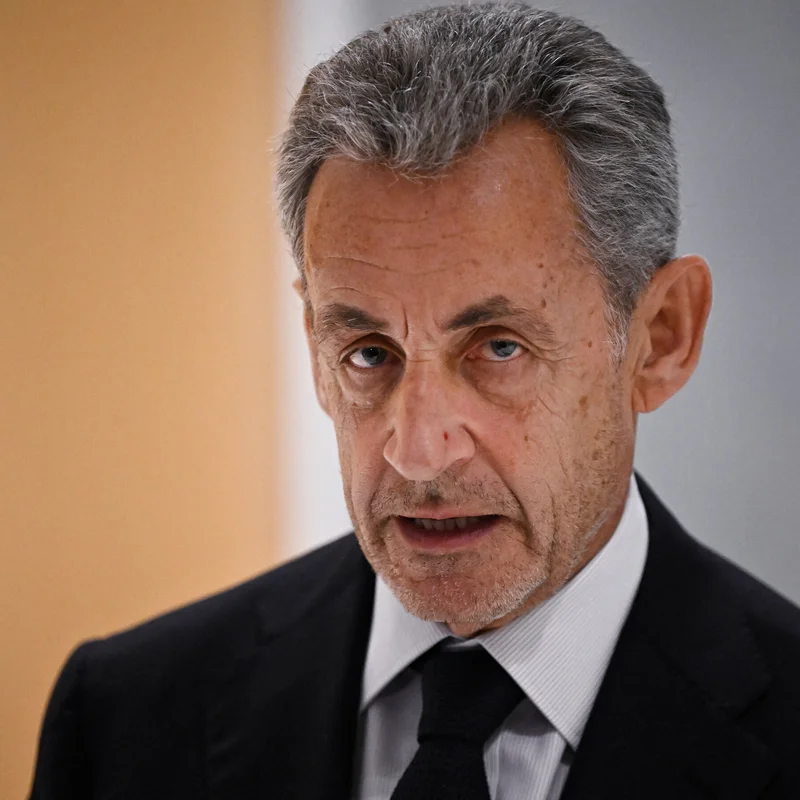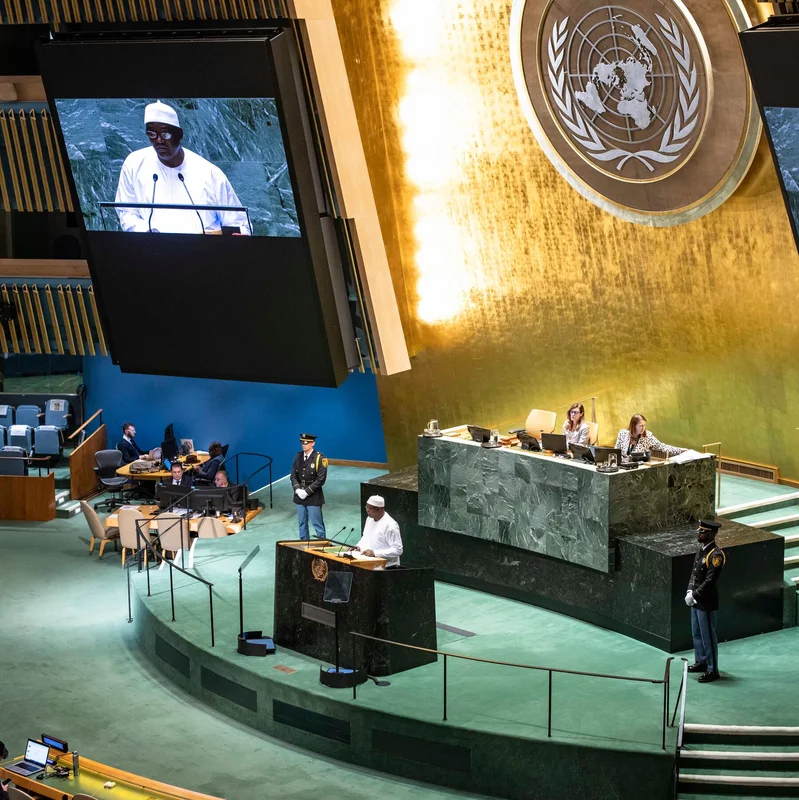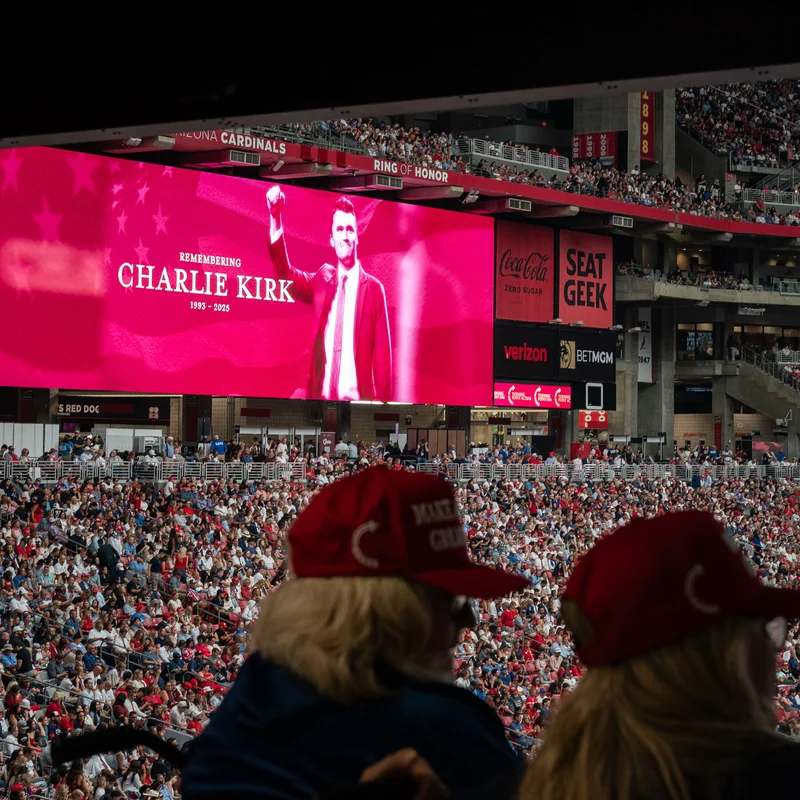
In a dramatic escalation of speech-related immigration enforcement, the U.S. State Department has announced it will revoke visas and initiate deportations of foreign nationals who “trivialize” or “celebrate” the recent murder of conservative activist Charlie Kirk. The policy, confirmed by Deputy Secretary of State Christopher Landau, has ignited fierce debate over free speech, national security, and the limits of political expression for non-citizens .
Who Was Charlie Kirk?
Charlie Kirk, co-founder and CEO of the right-wing youth organization Turning Point USA, was a prominent figure in American conservative politics and a staunch ally of former President Donald Trump. He was fatally shot during a public event in early September 2025 . Known for his polarizing commentary, Kirk had previously drawn criticism for remarks about George Floyd and gun violence .
The New Visa Policy: What It Means
According to officials, the U.S. is now actively reviewing social media activity and public statements of visa holders. Those found to have made comments deemed to “praise,” “celebrate,” or “trivialize” Kirk’s death may face immediate visa cancellation and deportation proceedings .
Key Elements of the Enforcement Policy
- Scope: Applies to all non-immigrant and immigrant visa holders.
- Trigger: Public statements, social media posts, or private communications that authorities interpret as supportive of the murder.
- Enforcement: Led by the State Department in coordination with ICE and DHS .
- Legal Basis: Cites existing provisions in immigration law that allow visa revocation for speech that “undermines public safety” .
Free Speech vs. Immigration Control
Critics argue the policy dangerously blurs the line between protected speech and deportable offenses. Legal challenges are already mounting, with organizations like the American Association of University Professors (AAUP) filing lawsuits against the administration for targeting international students and faculty .
“This is not about justice for Kirk—it’s about weaponizing immigration law to silence dissent,” said one civil liberties attorney, referencing a Boston federal court case that previously questioned the constitutionality of similar actions .
Impact on International Students and Academia
Universities across the U.S. report growing anxiety among international students, particularly those from countries with opposing political views. Some institutions have issued internal guidance urging caution in online expression .
Reported Cases by Sector (as of Sept. 2025)
| Sector | Reported Visa Reviews | Confirmed Revocations |
|---|---|---|
| Higher Education | 120+ | 27 |
| Media & Journalism | 45 | 8 |
| Business/Tech | 30 | 5 |
| Other | 60 | 14 |
Note: Figures are preliminary and based on public reports and institutional disclosures.
What Foreign Nationals Should Know
⚠️ Warning: Even private messages or likes on social media may be scrutinized. The U.S. government has broad authority under Section 212(a)(3)(A) of the Immigration and Nationality Act to deny entry or deport non-citizens based on speech deemed to “endanger public safety” .
Steps to Protect Your Visa Status
- Avoid public commentary on politically sensitive U.S. events.
- Review your social media history for potentially inflammatory content.
- Consult an immigration attorney before engaging in campus activism.
- Report any government inquiry to your institution’s international office.
For more on U.S. immigration policies affecting speech, see our guide on [INTERNAL_LINK:international-student-rights].
Broader Implications
This policy aligns with a broader Trump-era directive titled “Restoring Freedom of Speech,” which paradoxically emphasizes protecting American speech while restricting foreign expression on U.S. soil . Legal experts warn this creates a two-tiered system of speech rights.
The U.S. government has previously used similar justifications to target pro-Palestinian advocacy among international students , suggesting this latest move may be part of a larger pattern of ideological screening.
Conclusion
As the U.S. grapples with the aftermath of Kirk’s assassination, the new visa enforcement policy raises urgent questions about the balance between national mourning, political expression, and due process. For the estimated 1 million international students in the U.S., the message is clear: your words can cost you your visa.
Sources
- The New York Times: U.S. Threatens to Bar Foreigners Over Remarks About Charlie Kirk
- U.S. Department of State Press Briefing (Sept. 11, 2025)
- Reuters: U.S. cancels visas for people ‘celebrating’ Charlie Kirk’s death
- ACLU: AAUP v. Rubio – Challenging Visa Revocations Based on Speech
- H.R.1120 – Restoring Freedom of Speech Act (2025)