Once the undisputed kickoff to the U.S. presidential race, Iowa’s role in the Democratic nomination process has dramatically shifted. Yet, despite losing its coveted “first-in-the-nation” status, the Hawkeye State remains a magnet for ambitious Democrats eyeing the 2028 election. Why can’t they quit Iowa?
The Fall from First: How Iowa Lost Its Spot
In a historic move, the Democratic National Committee (DNC) officially ended Iowa’s decades-long reign as the first contest in the presidential nominating calendar. The new schedule, championed by President Joe Biden, placed South Carolina first on February 3, 2024, followed by Nevada, New Hampshire, and Georgia .
For the 2024 cycle, Iowa Democrats were forced to completely overhaul their process. Instead of the traditional in-person caucuses, they held a mail-in preference vote, with results announced on Super Tuesday in March—a move that rendered the contest largely symbolic . The state’s influence on the actual nomination was minimal, as President Biden had already secured the nomination.
📅 The New Democratic Primary Calendar (2024)
| Order | State | Date | Significance |
|---|---|---|---|
| 1st | South Carolina | Feb. 3, 2024 | First official primary |
| 2nd | Nevada | Feb. 6, 2024 | First caucus state |
| 3rd | New Hampshire | Feb. 13, 2024 | Traditional early state |
| — | Iowa | Results on March 5, 2024 | Non-binding mail-in vote |
The Gravitational Pull of Iowa
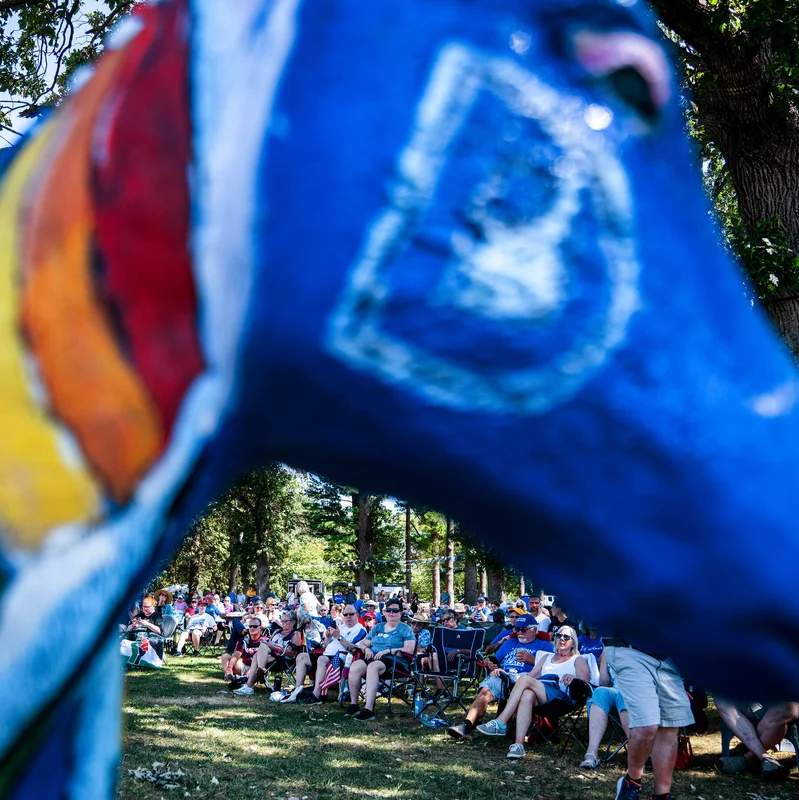
Despite its diminished formal role, Iowa exerts a powerful “gravitational pull” on potential 2028 candidates. As one Iowa Democrat put it, the state remains a critical testing ground for retail politics—the face-to-face interactions that build a candidate’s grassroots credibility .
Recent visitors include Senator Ruben Gallego, who toured the Iowa State Fair and held a town hall in Davenport in July 2025—classic moves for a would-be presidential contender . Other 2028 hopefuls from both parties are quietly making their own pilgrimages .
Why Politicians Keep Coming Back
- Retail Politics Bootcamp: Iowa’s small-town settings force candidates to hone their message and connect with voters on a personal level.
- Media Spotlight: A strong showing, even in a non-binding vote, generates national headlines and donor interest.
- Grassroots Network: Building relationships with local party leaders creates a foundation for future campaigns.
- Historical Prestige: Winning in Iowa, even unofficially, carries a psychological weight in American politics.
🔄 The Iowa Visit Cycle for 2028 Hopefuls
- 🗓️ Initial Visit: Attend a party fundraiser or local event.
- 🤝 Meet & Greets: Host small gatherings with activists and donors.
- 🎤 Policy Speech: Deliver a major address at a university or forum.
- 🌽 State Fair Appearance: Connect with voters in a casual, iconic setting.
- 🗳️ Build a Team: Recruit local staff and advisors for a potential run.
The Road to 2028: A New Battle for First
While Iowa fights to regain relevance, other states are vying to be “the new Iowa” for the 2028 cycle . The DNC is expected to revisit its calendar, and Iowa Democrats are already lobbying to be reinstated in the early window .
For now, the state’s fate is uncertain. But one thing is clear: as long as presidential hopefuls believe that a handshake in Des Moines can launch a national campaign, Iowa will remain on the map.
For more on the evolution of the U.S. primary system, see our deep dive on the history of American presidential primaries.
Sources
- The New York Times: Iowa Matters Less Than Ever for Democrats, but They Can’t Quit It
- NPR: DNC passes new primary calendar making South Carolina first
- Des Moines Register: Iowa Democrats consider bringing back lead-off caucuses [[10], [11]]
- Politico: In Iowa, Gallego will target GOP tax cut supporters
- AP News: Here’s how the 2024 Iowa caucus will work