Two Americas: Rich Spend, Poor Struggle Amid Economic Split
While the U.S. economy appears resilient, that strength is driven almost entirely by high-income households—leaving millions struggling with inflation, job losses, and food insecurity.
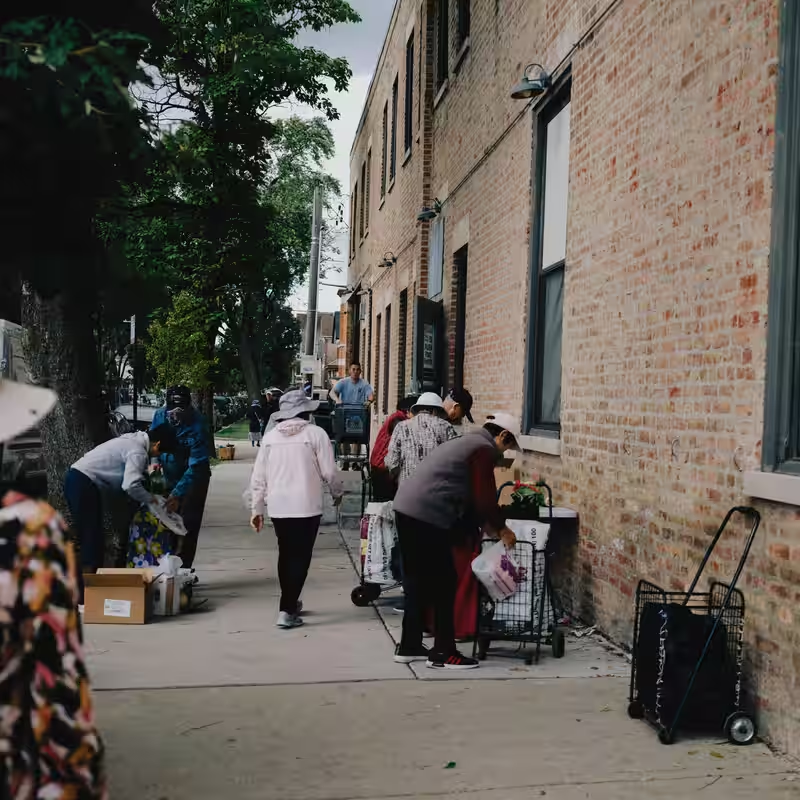
While the U.S. economy appears resilient, that strength is driven almost entirely by high-income households—leaving millions struggling with inflation, job losses, and food insecurity.

In a provocative new essay, Andrew Ross Sorkin redefines speculation not as reckless greed but as the essential force behind America’s economic rise.

Millions of Americans risk losing food stamp benefits in November if the government shutdown continues, marking a historic threat to the SNAP program.
From unaffordable housing to climate inaction and $1.7 trillion in student debt, younger generations are holding baby boomers accountable for the collapse of the American Dream.
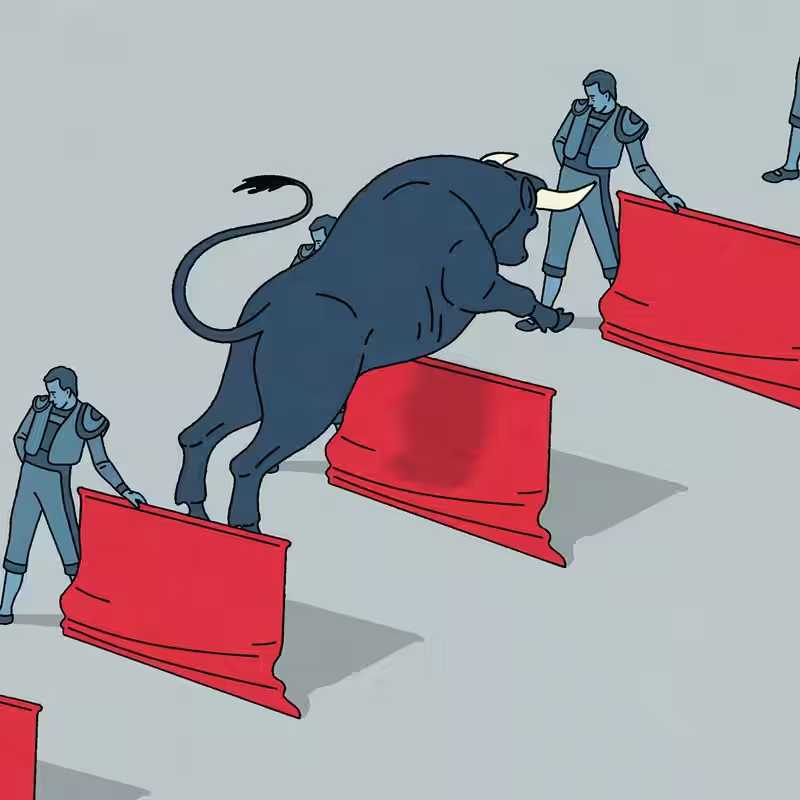
Now in its third year, the bull market overcame a near-death experience in April 2025, fueled by an unexpected surge in artificial intelligence adoption and tech earnings.
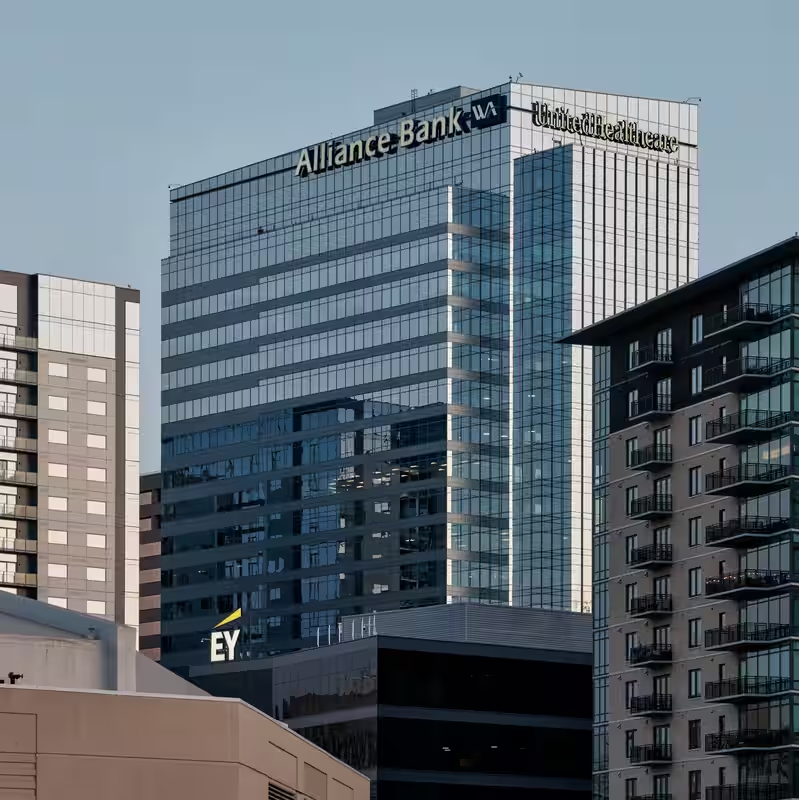
Investors are rattled by rising reports of souring loans in U.S. banks, triggering stock sell-offs, Treasury rallies, and funding stress in short-term markets.
Nearly two dozen private colleges have launched a fast, user-friendly college cost calculator that reveals students’ true out-of-pocket expenses after financial aid.

Young adults in Gen Z are struggling to build credit due to vanishing entry-level credit products, economic instability, and heavy reliance on debit and BNPL services that don’t report to credit bureaus.

A new 25% tariff on imported trucks and a 10% duty on buses take effect November 1 under a Trump administration order, while a key tariff relief program for US automakers has been extended to 2030.
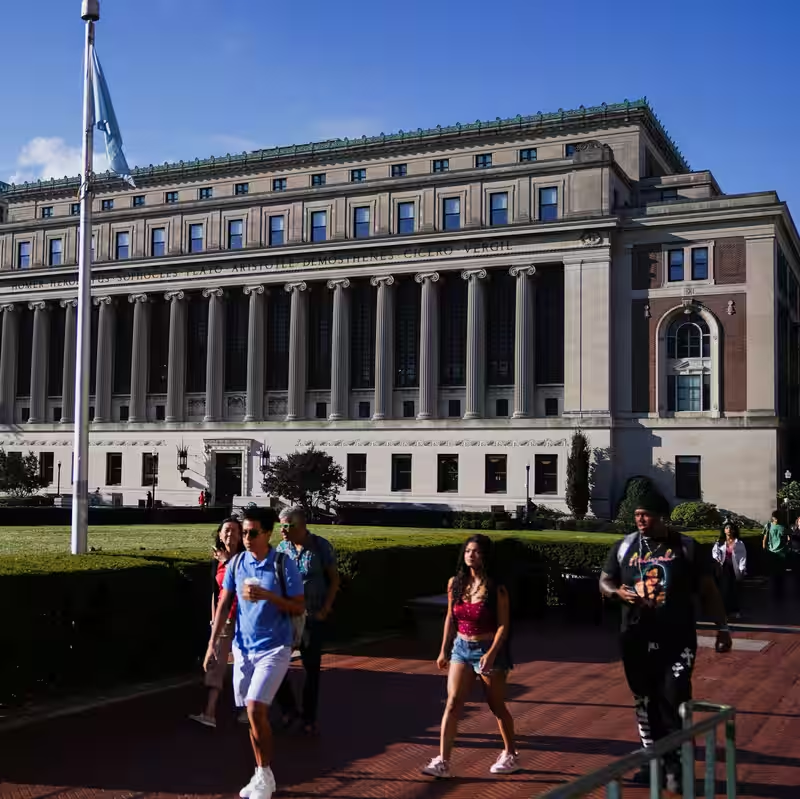
The U.S. Department of Education will resume processing student loan cancellations under income-driven repayment plans, offering relief to eligible borrowers before a critical tax exemption expires at year-end.