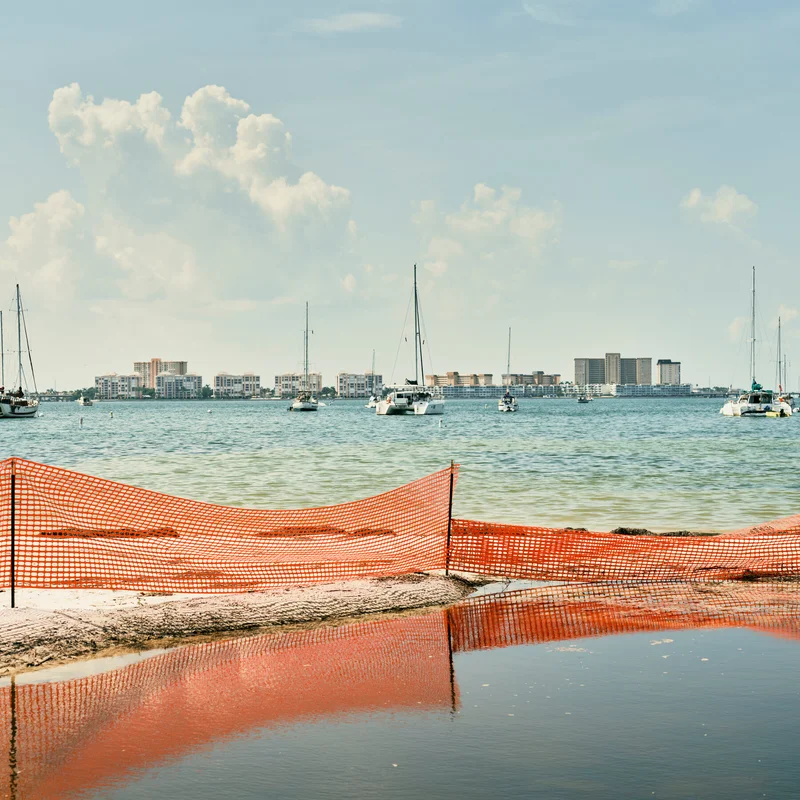
As sea levels rise and storms intensify, Florida is tightening its flood-resilience regulations—forcing homeowners in vulnerable coastal communities to make difficult, often costly decisions about their properties. A key rule, known as the “50% Rule,” is at the heart of the dilemma: if storm damage or renovations exceed 50% of a home’s market value, the entire structure must be brought up to current flood-resistant building codes.
The 50% Rule: A Financial and Emotional Crossroads
For many long-time residents, especially in historic neighborhoods, this rule means choosing between demolishing a family home or investing six-figure sums to elevate it or rebuild it with flood-resistant materials. Elevating a home alone can cost anywhere from $50,000 to well over $150,000, depending on size, location, and foundation type , .
What Triggers the 50% Rule?
- Major storm damage (e.g., from hurricanes)
- Planned renovations or additions
- Foundation or structural repairs
- Combined costs of multiple projects over a 5-year period
Financial and Cultural Costs of Compliance
Beyond the financial burden, these regulations carry deep cultural implications. In communities like the Florida Keys or historic districts in St. Augustine, homes represent generations of heritage. Rebuilding to modern codes often means altering architectural character or, in extreme cases, losing the structure entirely , .
Cost Breakdown: Elevating a Florida Home (2025 Estimates)
| Expense Category | Average Cost Range |
|---|---|
| Structural Engineering & Permitting | $5,000 – $15,000 |
| House Lifting (Hydraulic Jacks) | $30,000 – $70,000 |
| New Foundation or Pilings | $20,000 – $60,000 |
| Utility Reconnections & Repairs | $10,000 – $25,000 |
| Miscellaneous (Landscaping, Driveway, etc.) | $5,000 – $15,000 |
| Total Estimated Cost | $70,000 – $185,000+ |
State and Federal Support Programs
Recognizing the hardship, Florida and FEMA offer limited assistance:
- Hazard Mitigation Grant Program (HMGP): Covers up to 75% of elevation costs post-disaster (requires FEMA disaster declaration) .
- Flood Mitigation Assistance (FMA): Funds for pre-disaster mitigation, including elevation.
- Resilient Florida Program: State-funded initiative to identify and support at-risk communities .
However, demand far outstrips available funding, and many homeowners are left to navigate the process alone.
What Homeowners Can Do
Experts recommend a proactive approach:
- Check your flood zone status using FEMA’s updated 2025 maps .
- Get a professional property assessment before starting any major repairs.
- Explore elevation alternatives like flood vents or wet-floodproofing (if allowed).
- Apply early for grants through local emergency management offices.
- Consult with a floodplain manager in your city or county .
Figure: A simplified decision flowchart for Florida homeowners facing flood-related repairs.
As climate change accelerates coastal risks, balancing safety, affordability, and cultural preservation remains one of Florida’s most pressing challenges. For more on national flood policy, see the FEMA Floodplain Management Program.
Sources
- https://www.nytimes.com/2025/09/27/us/making-florida-more-flood-resistant-is-forcing-hard-choices-for-homeowners.html
- https://www.fema.gov/floodplain-management
- https://floridadisaster.org/plan/building-codes/
- https://coastalscience.noaa.gov/research/climate-impacts/cultural-heritage/
- https://www.floridajobs.org/office-of-disaster-recovery/resilient-florida-program